Thatch Roof Benefits and Applications
Natural insulation and energy efficiency
South Africa’s climate rewards intelligent shelter choices. In hot months, a well-maintained thatch roof can trim cooling costs by up to 25%, a reality I witness in coastal cottages and inland homesteads alike. The roof breathes with the air, its natural lattice filtering heat while offering a soft, living canopy that feels almost primal in the hand of a steady wind!
In practice, its benefits translate into practical applications across South Africa’s varied landscapes:
- Rural homesteads and smallholdings
- Eco-lodges and boutique retreats
- Heritage restorations and cultural complexes
- Coastal cottages where insulation matters year-round
When weighing the thatch roof advantages and disadvantages, balance aesthetic allure with maintenance realities. Natural insulation slows temperature swings and reduces HVAC load, but it requires periodic re-thatching, weather sealing, and pest management to stay effective. In heritage projects and modern eco-homes alike, the character is compelling, the footprint gentler, and the sense of place undeniable.
Aesthetic appeal and architectural versatility
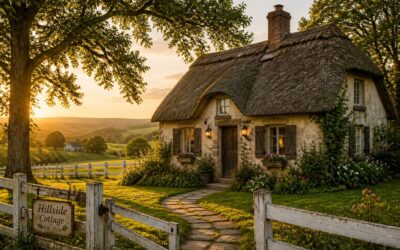
Thatched lines carve memory into the landscape; a roof that seems to breathe with wind and light. The thatch roof advantages and disadvantages come into focus when beauty meets upkeep in South Africa’s diverse skies. Its tactile texture and warm glow turn buildings into living landmarks, inviting passersby to pause and look up in quiet reverence.
- Rural homesteads and smallholdings
- Eco-lodges and boutique retreats
- Heritage restorations and cultural complexes
- Coastal cottages where the sea wind is a constant companion
From rural homesteads to coastal cottages, the aesthetics sing—massing, curves, and thatch’s soft edges catching sun and shadow. The character is compelling, the footprint gentler, and the sense of place undeniable.
Sustainable materials and eco friendliness
Across South Africa, up to 40% of eco-lodges still rely on thatch roofs, proof that beauty and climate-smart design go hand in hand. The texture and scent of sun-warmed straw shape spaces that breathe with the wind. This balance reveals thatthatch roof advantages and disadvantages as maintenance and fire safety are weighed against charm and longevity.
Sustainable materials and eco friendliness are at the core of every SA installation. Thatch is renewable, locally grown, and renewed with modest energy. It creates skilled livelihoods and a lighter footprint.
- Cape reed and local grasses
- Long-straw varieties
- Durable blends for airflow
These choices align with modern design and support sustainable livelihoods, marrying beauty with responsible resource use.
Lightweight structure and roof load advantages
Thatch roofs are the featherweight champions of SA construction—graceful, sun-warm, and stubbornly practical. Their light touch on the structure eases roof-load calculations and frees up timber with less brute force. The net effect: faster builds, more daring spans, and a roof that breathes with the wind rather than groaning under it.
When it comes to lightweight structure and roof load advantages, thatch does the heavy lifting with a smile. It distributes weight across a broader area and tolerates movement without cracking.
- Lower dead-load than tile or concrete roofs
- Greater wind uplift tolerance due to flexible thatch layers
- Quicker installation and simpler maintenance access on rugged SA sites
All told, these dynamics feed into the broader appeal of thatch roof advantages and disadvantages, where charm meets structural sanity in the South African climate.
Compatibility with various roof styles and climates
Thatch isn’t just pretty; it’s a climate-savvy partner for South Africa’s roofs. It plays nicely with a range of styles—from sturdy gables and hip configurations to breezy pavilion curves—without heavy reinforcement. Its natural breathability keeps roofs cooler in summer and drier in wet seasons, while still performing under coastal winds and inland heat. The result? Versatility that feels almost artful, with structural pragmatism baked in. I’ve seen it turn humble cottages into warm havens.
That versatility also translates into applications across climates and settings. Consider these compatibilities:
- Traditional and contemporary styles alike benefit from its visual texture and light weight
- Coastal environments ease wind uplift with flexible thatch layers
- Dwellings from remote SA sites to urban developments can access simpler maintenance and faster installation
For builders weighing options, thatch roof advantages and disadvantages appear in practice as a balanced blend of charm, performance, and cost.
Common Drawbacks and Risk Management
Maintenance requirements and seasonal upkeep
Beauty fades, neglect burns. In South Africa’s climate, thatch roofs grant warmth with a warning—charisma must be tended, not taken for granted.
Common Drawbacks surface in the details: ongoing maintenance and the cost of skilled repairs can push a project from romance to routine. Weighing thatch roof advantages and disadvantages, upkeep remains the stubborn foe.
- Frequent inspections and re-bundling to prevent gaps
- Fire protection requirements (retardants and ridge caps)
- Higher repair costs when damaged by weather
Risk Management and Seasonal Upkeep: Schedule biannual checks, clear gutters, trim overhanging branches, and treat the thatch with approved fire retardants. After heavy rains, inspect for leaks, moss, and loose bundles; replace damaged sections promptly to preserve the roof’s character.
Fire risk, prevention, and safety measures
In South Africa’s sun-scorched towns, charm shines—yet neglect cools the glow fast. Thatched roofs reveal their true face—the yin of thatch roof advantages and disadvantages—romance tempered by upkeep and the cost of skilled repairs. Tiny gaps and wind-driven wear creep in, threatening the spell.
Fire risk nudges its head when the roof is tired, so prevention and safety measures matter. Fire retardants and ridge caps, paired with proper bundling, form a quiet shield against sparks. The balance hinges on vigilant care rather than bravado, turning risk management into a lifestyle choice rather than a chore.
Mindful risk management:
- Fire retardants, ridge caps, and bundling integrity
With care, the romance of a thatch roof endures, weaving warmth and character into South African homes without surrendering to risk.
Pest control and decay prevention
Common Drawbacks stalk South Africa’s thatch roofs, especially in humid coastal towns and wind-swept plains. Moisture invites mould and decay, gaps invite pests, and seasonal wear accelerates loss. I’ve seen charm fade when upkeep lags!
Risk management begins with vigilant care and informed choices. Understanding thatch roof advantages and disadvantages helps frame pest control and decay prevention in practical terms. The roof becomes a living skin of the home, inviting careful attention to balance beauty with resilience.
- Common pests such as termites, borers, and rodents
- Signs of decay: soft patches, fraying fibres, moisture pockets
- Ventilation and drainage considerations to keep the thatch dry
- Engaging a qualified thatch specialist for assessment and guidance
Weather vulnerability and weatherproofing strategies
Coastal SA winds meet tropical humidity, and thatch roofs respond with a lyric of resilience and vulnerability. Moisture invites mould; wind-swept gusts widen gaps; and such realities feed the ongoing conversation about thatch roof advantages and disadvantages. Charm endures, but every storm is a reminder that beauty must be maintained by watchful care.
Risk management starts with vigilant care and informed choices. The roof reads like a living skin over the home—elegant, evocative, and requiring balance to endure. A cadence of professional assessments and timely attention turns potential wear into quiet fortitude, allowing tradition and durability to share the stage.
- Balanced airflow
- Runoff management
- Periodic professional assessments
Regulatory, insurance, and permitting considerations
South Africa’s thatch roof advantages and disadvantages walk a tightrope between romance and regulation. Common Drawbacks arrive not from weather alone but from the arcane rules that govern heritage and home improvement. Permit queues, fire-safety stipulations, and insurer scrutiny can turn a dream roof into a planning puzzle. The phrase thatch roof advantages and disadvantages keeps surfacing as homeowners weigh charm against cost and compliance on a sunlit SA horizon. I have seen beams breathe under the weight of bureaucracy, yet grace often survives the test.
Risk management begins with clear records and patient negotiation with authorities. In South Africa, regulatory, insurance, and permitting considerations shadow a thatch roof project—silent and exacting specters that demand foresight.
- Local planning approvals and building-code compliance
- Fire-safety requirements and approved thatching techniques
- Insurance underwriting, premiums, and coverage limitations
Performance in Different Climates
Thermal performance across seasons
South Africa’s climate is a roller coaster—sun-drenched summers, brisk mountain mornings, and everything in between. Weighing thatch roof advantages and disadvantages, climate is the true litmus test. A well-tuned thatch system can keep interiors cooler during blistering days and retain warmth when the air turns crisp!
Thermal performance across seasons depends on layer thickness, material density, and airflow. In sweltering months, the inherent loft and air pockets create natural ventilation that blunts heat. In winter, the dense canopy slows heat loss while still expelling moisture, helping steady interior comfort.
- Hot climates: rely on breadth of ventilation and shade to maximize thatch cooling.
- Cool to temperate regions: depth of thatch and roof pitch influence heat retention.
- Coastal areas: balance wind exposure with moisture management and drying potential.
In every SA setting, climate compatibility is the key to appreciating the full spectrum of thatch roof advantages and disadvantages.
Ventilation and humidity control
South Africa’s roofline is a living weather vane: hot days, chilly dawns, shifting moods. The twist of thatch is its breath—the thatch roof advantages and disadvantages become a chorus when climate tests its mettle. For builders who crave architecture with a heartbeat, this is where the drama unfolds.
In sweltering heat, the loft’s air pockets invite cooling currents, and the wind waltzes through the canopy to temper interiors. When cold fronts arrive, the coverage slows heat loss while guiding moisture to the surface for evaporation, keeping rooms steadier and drier. The balance hinges on ventilation, moisture management, and roof geometry.
To tune performance, adjustments emerge from the canopy:
- Open eaves and vents for cross-ventilation in heat
- Strategic shading to protect against sun and maintain balanced humidity
- Drying pathways to prevent damp and mould
Used with care, thatch roof advantages and disadvantages reveal a climate-tuned sanctuary rather than a mere shelter!
Snow and rain durability
Snow may be a distant guest in much of South Africa, but when it touches the ridge, thatch roof advantages and disadvantages unfold as a weather-sung tale. The layered canopy sheds sleet with a languid grace, and interior warmth lingers even as the wind circles the eaves. This climate-tuned performance becomes poetry—moisture drawn to the surface for evaporation, while the loft stays surprisingly steady through a cold front.
Durability in snow and rain rests on careful geometry and maintenance: generous overhangs, tight ridges, and well-sewn seams let moisture vent without pooling. In our rainfall bands, modern treatments and vigilant checks keep colour and fibre integrity, ensuring the roof flirts with storms rather than fights them.
Wind resistance and storm performance
Gusts don’t read the blueprint, but they test roofs anyway. Across South Africa’s braided climate zones, wind resistance and storm performance decide whether thatch roof advantages and disadvantages tilt toward romance or reality. When the geometry is sound and the seams secure, thatch holds its own against gusty fronts, releasing uplift with the grace of a well-pitched sail. All told, it’s a weather-tested balance—a roof that breathes and shields at the same time.
- Overhangs and ridges that help shed wind
- Lightweight thatch that yields to gusts rather than fights them
- Anchorage and maintenance to prevent uplift during storms
In coastal belts and inland hills, storm performance matters more than raw aesthetics; the result is a roof that can be as tenacious as it is picturesque.
Mold and mildew risk management
Across South Africa’s climate mosaic, a thatch roof’s performance hinges on moisture and airflow. A master craftsman once whispered, “A roof should breathe as poetry does.” In coastal humidity and inland dryness alike, this living cover must reckon with mold and mildew, especially where ventilation lags and rain taps the thatch. Balance preserves character and comfort—the very essence of thatch roof advantages and disadvantages.
- Coastal humidity and ridge ventilation influence moisture movement
- Open overhangs and shading promote drying in moist climates
- Material density and seasonal moisture dynamics shape performance
From the Karoo wind to misty Cape folds, mildew risk abates where sun and air intersect; where it lingers, design dialogue—lattice vents, lime washes, and clean lines—remains attentive, yet never sacrifices beauty. In SA climates, mold and mildew risk management reminds us that romance must be read against climate reality. The conversation continues, written in breath and light.
Costs, Installation, and Longevity
Initial installation costs and sourcing materials
Costs for initial installation of a thatch roof in South Africa are upfront, reflecting material quality and skilled labor. Local Cape reed and sedge are often sourced nearby, which controls transport costs and supports artisans. While the price is higher than some alternatives, the life-cycle value can be compelling for durability and aesthetics. Understanding the thatch roof advantages and disadvantages helps homeowners budget.
- Material grade and sourcing distance
- Labor intensity and installation time
- Seasonal demand and lead times
Installation requires licensed thatchers, proper underlayment, and adequate scaffolding. In SA, working during mild weather windows reduces delays and weather exposure. Sourcing a trusted local team matters for workmanship, code compliance, and ongoing maintenance planning. Timing matters!
Longevity hinges on maintenance, ventilation, and re-dressing. With routine checks and timely re-thatching, a quality installation can endure 20–30 years. Thatch roof advantages and disadvantages become clearer when longevity depends on upkeep.
Craftsmanship and specialist installers
Costs for thatch roofs in South Africa reflect more than materials; they crown a craftsman’s skill and a lasting spectacle. The thatch roof advantages and disadvantages become clearer when budgeting for a roof that ages gracefully with the seasons while preserving character and curb appeal!
Installation is a study in precision. Licensed thatchers, detailed planning, and sturdy scaffolding safeguard safety and code compliance while hands fashion caps and ridges with a luminous, almost musical, touch. We view the process as a collaboration between client and craftsman.
- Craftsmanship and bespoke detailing
- Compliance with building codes and warranty-backed workmanship
- Long-term maintenance planning and accessible repairs
Longevity rests on ongoing care and the stewardship of specialist installers; with attentive re-dressing and timely checks, a thatch roof can tell a home’s story for decades.
Maintenance costs over time and renewal cycles
Costs for thatch roofs in South Africa extend beyond the price of materials; they crown a craftsman’s skill and a lasting spectacle. The thatch roof advantages and disadvantages become clear when budgeting for a roof that ages gracefully, preserving character and curb appeal.
Installation is a study in precision. Licensed thatchers, careful planning, and sturdy scaffolding safeguard safety and code compliance while hands fashion caps and ridges with a luminous, almost musical touch. It is a collaboration between client and craftsman, a quiet vow on the ridge.
- Access and height considerations
- Material choice and sourcing
- Roof complexity and pitch
Longevity rests on ongoing care and timely renewal cycles; with routine re-dressing and inspections, a thatch roof can tell a home’s story for decades. Budgeting for maintenance, minor repairs, and eventual re-thatching keeps the dream enduring.
Expected lifespan and renewal timelines
Costs for a thatch roof extend beyond materials; the price tag crowns a craftsman’s skill. In South Africa, installation, sourcing, and finishing shape true value. Weighing thatatch roof advantages and disadvantages helps budgeting for a roof that ages gracefully, preserving character and curb appeal!
Installation is a study in precision, with licensed thatchers, careful planning, and sturdy scaffolding ensuring safety and code compliance. The craft blends natural fibres, meticulous layering, and wind-tolerant design into a roof that seems to breathe with the home. It’s a quiet vow on the ridge, a collaboration between client and craftsman.
Longevity rests on ongoing care and timely renewal cycles; with periodic re-dressing and inspections, a thatch roof can tell a home’s story for decades. Typical renewal timelines span 15 to 25 years for re-thatching, with minor repairs every few years to preserve waterproofing.
Investment value and resale considerations
Costs for a thatch roof stretch beyond materials, especially in South Africa where installation, sourcing, and finishing shape true value. The price tag reflects craftsmanship as much as material. Balancing thatch roof advantages and disadvantages helps align a budget with quality, longevity, and unique curb appeal.
Installation is a study in precision: licensed thatchers, meticulous planning, and sturdy scaffolding ensure safety and code compliance. The craft blends natural fibres and wind-tolerant layering into a roof that seems to breathe with the home.
- Licensed thatchers overseeing every step
- Sturdy scaffolding and safety protocols
- Local, sustainable material sourcing
Longevity rests on ongoing care and timely renewal cycles. With periodic re-dressing and inspections, a thatch roof can tell a home’s story for decades. Proper maintenance preserves waterproofing and resale value, turning roof upkeep into a smart investment for South Africa’s evolving property market.

0 Comments