Tropical Bali-Style Hut Thatching Guide
Choosing materials and design for Bali-style huts
Across sun-warmed landscapes, thatching for bali hut can cut indoor heat by up to 40%, turning a tropical dream into a pleasantly cool retreat. The secret lies in how the roof breathes, sheds rain gracefully, and mirrors the jungle’s timeless rhythm.
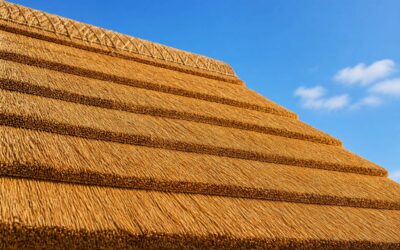
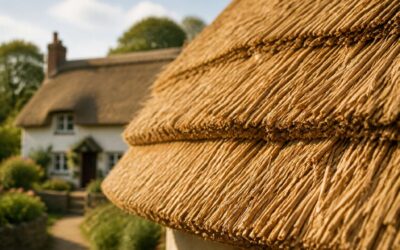
Choosing materials and design means listening to the wind and the light, especially for SA homes and resorts. Opt for dry, traditional palm thatch or reed blends with a tight, overlapping weave. A steep pitch and generous eaves shed rain, while colors and textures weave a story that feels ancient and alive.
- Material choices aligned with climate and maintenance needs
- Roof geometry: pitch, thickness, and ventilation
- Aesthetics that honor local landscapes and guest experience
Installation techniques and best practices
Sun-warmed SA landscapes meet a Bali-style canopy that breathes. In practice, “thatching for bali hut” translates into a living canopy that cools interiors, invites a soft river-breeze, and stands against the afternoon glare with quiet dignity. The roof breathes as the wind threads through the thatch, a living calendar on timber—patience is the first tool, shaping resilience with every season!
- Traditional bindings that age gracefully, resisting wind uplift while preserving flexibility.
- Careful overlap of courses to maintain a continuous, water-shedding layer.
- Adequate ventilation through batten spacing and ridge protection to keep the interior comfortably cool.
Aesthetics follow function; the texture, color, and silhouette weave into the landscape and guest experience. In SA, steep pitches and generous overhangs become a language of shelter, allowing rain to shed gracefully and heat to retreat, all while the thatch keeps a whispered, jungle-like tempo inside the space.
Maintenance and longevity strategies
Under tropical skies, a Bali-style canopy becomes a living, breathing shelter. Maintenance is not drudgery—it’s a ritual honoring wind, rain, and light. In thatching for bali hut, care keeps interiors cool and the canopy alive with quiet energy.
Longevity rests on three discreet disciplines:
- Periodic inspections for wind uplift and binding integrity
- Gentle removal of debris and slow-growing moss to prevent moisture pockets
- Strategic ventilation through batten spacing and ridge protection
Texture, shade, and silhouette fuse into the landscape; a well-kept roof listens to the wind, patient and exact. In South Africa’s sun and rain, this philosophy preserves comfort and character without shouting.
Sustainability and local sourcing options
Shade is architecture’s quiet revolution, and a Bali-style hut makes it feel almost sacred under the South African sun. Sustainability here isn’t a trend—it’s a daily practice that respects wind, light, and soil. In practice, thatching for bali hut is a bridge between Indonesian craft and local ecology, cooling interiors with patient hands and natural materials.
- Cape reed and indigenous grasses sourced from nearby growers
- Local cooperatives that harvest and process thatch responsibly
- Smallholder networks that preserve craft while stabilizing rural livelihoods
- Seasonal suppliers offering varieties to suit climate and shelter needs
Texture, shade, and silhouette breathe with the land; this is not mere shelter but a statement of place. In South Africa, the ethic translates into lighter footprints and richer communities.

0 Comments