Understanding Natural Roofing Materials
After a summer storm, the smell of wet thatch roof grass is something I never tire of! It reminds me of the old homesteads scattered across the Karoo, where nature provides what we need. Natural roofing materials carry a story of endurance and craft, shaped by generations of hands.
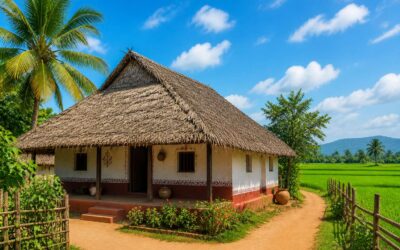
Thatch roof grass offers excellent insulation, keeping homes cool under the African sun and warm during chilly nights. It also blends into the landscape, a quiet harmony that synthetic products cannot replicate. I have seen roofs that have weathered decades of rain and wind, standing strong because of the simple grace of this material.
- It is renewable and biodegradable.
- It requires skilled hands to lay properly.
- It lasts decades with the right care.
Each bundle is a small piece of heritage, a connection to the earth we too often forget. The work of a skilled thatcher is a quiet art.
Selecting the Right Grass for Your Roof
In the Cape, the term thatch roof grass often refers to a mix of species, not a single plant. One homeowner I met swore by the local “grasveld” because it shed water beautifully. Another lost his entire roof to a fast-growing weed that looked like proper thatch.
What separates them is careful sourcing. The best thatch roof grass comes from high-lying fynbos regions, where cold nights slow growth and produce a tight, dense fibre. I have seen roofs built with this material withstand three decades of wind without repair!
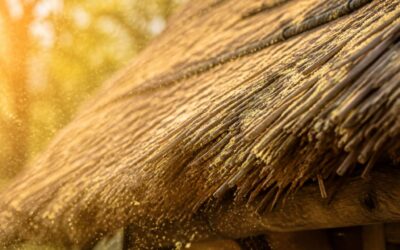
The differences show up in your hand. A proper stalk feels smooth and tapered. The colour should be a pale yellow, not green. Watch for sand hidden in the bundle. Reliable markers are these:
- Long leaves of at least 60 centimetres
- A pale yellow colour after full curing
- Clean stalks with no embedded grit
Installation and Craftsmanship for Grass Roofing
The true art of thatch roof grass installation begins long before the first bundle is laid. It starts with the careful curation of the material itself, a process that demands patience and a discerning eye for the subtle variations in stalk thickness and moisture content. I’ve seen master thatchers spend hours simply sorting their raw materials, understanding that the longevity of their work depends on this initial selection.
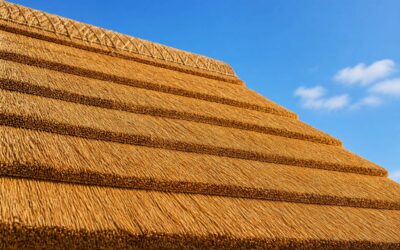
The craft culminates in the orchestration of layers, each one overlapping the next like a carefully written narrative. Proper tension is the difference between a roof that weathers a decade and one that fails in a single season. A skilled hand reads the grain of the grass, coaxing it into a tight, water-shedding profile that stands resolute against Highveld storms.
– The roof deck must be pitched steeply enough to shed water efficiently.
– Each layer is bound with galvanized wire or steel pegs.
– The ridge cap receives the densest packing for maximum durability.
Environmental and Economic Benefits of Grass Roofs
Every time I pass a farmhouse crowned with thatch roof grass, I remember the warmth of my grandmother’s kitchen. That humble material, cut from local wetlands, kept us cool in the Karoo heat and cozy when the South Easter blew. It is a living roof, breathing and shifting with the seasons.
The benefits extend beyond comfort. Harvesting the grass creates seasonal work for rural communities, and the reeds regrow within years.
- Natural insulation lowers home energy needs.
- Rainwater runs off clean, feeding the garden below.
This is why, despite modern alternatives, many builders still turn to this ancient craft. It works, and it works well!

0 Comments