Understanding Thatch Roofs and Fire Risks
What Is a Thatch Roof?
Thatch roofs have long been celebrated for their rustic charm and natural insulation properties, but their organic materials also present unique fire risks that cannot be overlooked. In South Africa, where traditional thatch roofing remains a cultural staple in many rural communities, understanding the fire hazards associated with these structures is vital for preservation and safety. A thatch roof, composed of dried vegetation such as straw, reeds, or palm leaves, is inherently combustible, making fireproofing an essential consideration.
What makes a thatch roof particularly vulnerable to fire? Its layered composition creates an ideal environment for flames to spread rapidly, especially when exposed to dry weather or sparks. To combat this danger, implementing effective thatch roof fireproofing techniques is paramount. This involves applying specialized fire-retardant treatments that penetrate the organic fibers, significantly reducing flammability without compromising the roof’s aesthetic appeal.
- Understanding the types of fire-retardant products suitable for thatch
- Recognizing the importance of regular maintenance and inspections
- Incorporating additional safety measures such as lightning conductors and firebreaks
Common Materials Used in Thatch Roofing
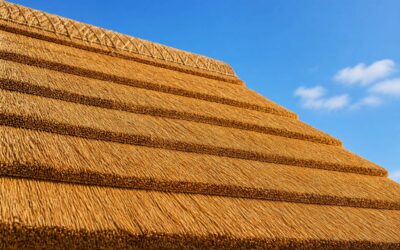
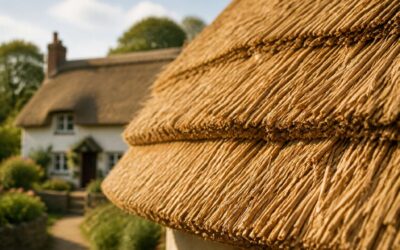
Thatch roofs, with their intricate layers of dried vegetation, are a testament to centuries-old craftsmanship and rural tradition. These structures, often built from straw, reeds, or palm leaves, are celebrated for their natural insulation and aesthetic charm. However, their organic nature makes them particularly susceptible to fire hazards, especially in dry South African climates where sparks and lightning strikes are common. Understanding the fundamentals of thatch roof fireproofing begins with recognizing the materials involved and their inherent vulnerabilities.
Common materials used in thatch roofing, such as straw, reeds, and palm leaves, are highly combustible. Their fibrous composition, while excellent for insulation, can become a liability when exposed to heat or ignition sources. To mitigate these risks, specialized fire-retardant treatments are applied to these organic materials. These treatments penetrate deeply into the fibers, creating a protective barrier that significantly reduces flammability without detracting from the roof’s rustic beauty.
- Straw, often harvested from cereal crops, offers a lightweight yet highly flammable option.
- Reeds, usually harvested from wetlands, are dense but still vulnerable to ignition when untreated.
- Palm leaves, common in South African coastal regions, provide durability but require fireproofing to prevent rapid spread of flames.
Implementing effective thatch roof fireproofing isn’t just about applying chemicals; it involves understanding the unique properties of each material and ensuring regular inspections. When combined with additional safety measures, such as lightning conductors and firebreaks, these precautions form a comprehensive shield against the destructive power of fire.
Inherent Fire Hazards of Thatch Roofs
Thatch roofs, with their timeless charm and natural insulating properties, carry an inherent risk—fire. The organic materials, while aesthetically appealing, are highly susceptible to ignition, especially in South Africa’s dry climate where sparks from lightning or accidental flames can turn a picturesque home into a blazing inferno in moments. Recognizing these fire hazards is crucial for anyone passionate about preserving the beauty of thatch roof fireproofing.
Inherent fire hazards of thatch roofs stem from their fibrous structures, which act like tinder when exposed to heat. Without proper protection, even a small spark can ignite the densely packed vegetation, rapidly spreading flames and putting lives and property at risk. That’s why understanding the delicate balance between maintaining the rustic appeal and ensuring safety is vital—fireproofing isn’t just an option, it’s a necessity.
To combat these risks, many thatch roof owners incorporate fire-retardant treatments designed specifically for organic materials. These treatments deeply penetrate the fibers, creating a barrier that significantly delays ignition and slows the spread of fire. When combined with additional safety measures, such as lightning conductors and firebreaks, a comprehensive strategy for thatch roof fireproofing can be established—an essential shield for homes in fire-prone regions.
Factors That Increase Fire Risk in Thatch Roofs
Understanding thatch roofs requires appreciating their organic beauty and the delicate balance they strike with nature. These roofs, crafted from dried vegetation such as reeds or straw, are not only visually captivating but also embody a cultural heritage that many South Africans cherish deeply. Yet, their natural composition makes them inherently vulnerable to fire hazards, especially in regions prone to dry spells and lightning strikes. The unpredictable nature of fire risks calls for a nuanced approach to thatch roof fireproofing, blending tradition with modern safety measures.
Several factors can significantly increase the fire risk in thatch roofs. Age and condition play a critical role—older, poorly maintained thatch can become more susceptible to ignition. Additionally, environmental elements such as prolonged drought and high temperatures exacerbate this vulnerability. Specific risk factors include:
- Accumulation of dry, combustible debris on the roof surface
- Lightning strikes during thunderstorms, especially in rural or exposed areas
- Proximity to open flames or sparks from outdoor cooking or heating appliances
- Inadequate fire retardant treatments or outdated fireproofing methods
Understanding these fire risk factors underscores the importance of implementing comprehensive thatch roof fireproofing strategies. By addressing these vulnerabilities, homeowners can protect their cherished structures and preserve their cultural and aesthetic integrity amidst South Africa’s dynamic climate.
Effective Fireproofing Methods for Thatch Roofs
Applying Fire Retardant Treatments
In the shadowed corridors of heritage architecture, the allure of a thatch roof remains undeniable—yet the specter of fire looms ever present. To safeguard these ancient, breathless marvels, effective fireproofing methods must be employed with precision and reverence. Applying fire retardant treatments is the most common and practical approach, transforming the once-flammable thatch into a less sinister risk. These treatments seep into the fibers, creating a barrier that resists ignition and retards the spread of flames, often extending the life of the roof while preserving its rustic charm.
For thatch roof fireproofing, the application process is both an art and a science. It involves coating the thatch with specially formulated chemical solutions, designed to penetrate deeply and form a durable, fire-resistant layer. An added advantage is that many modern treatments are environmentally friendly, aligning with sustainable practices cherished in South Africa. The effectiveness of this fireproofing hinges on meticulous application, ensuring every strand of thatch is thoroughly treated—lest a single unprotected tuft become the herald of catastrophe.
Choosing Fire-Resistant Thatch Materials
Choosing the right fire-resistant materials for thatch roof fireproofing is essential to preserve both safety and heritage. Modern innovations have introduced specially treated thatch, which combines traditional charm with enhanced fire resistance. These materials are often infused with fire retardants that penetrate deeply, creating a resilient barrier against ignition. When selecting fire-resistant thatch, it’s vital to prioritize products that are environmentally friendly, aligning with the sustainable ethos cherished across South Africa.
Implementing effective fireproofing methods involves more than just choosing the right materials. It requires meticulous application—ensuring every strand of thatch receives uniform treatment. This thorough approach not only minimizes risk but also extends the longevity of the roof. For those dedicated to safeguarding their historic or rustic structures, combining fire-resistant thatch with strategic design elements can dramatically reduce the danger posed by fire hazards. Ultimately, embracing these advanced fireproofing techniques ensures that our treasured thatch roofs can continue to tell their stories for generations to come.
Innovative Fireproofing Technologies
Innovative fireproofing technologies are transforming the way we protect our cherished thatch roofs, especially in regions where tradition meets modernity. Traditional methods, while charming, often fall short against the relentless threat of fire. Enter cutting-edge solutions—these are not your grandmother’s fire retardants but advanced systems designed to offer superior protection without compromising aesthetic appeal.
One particularly effective approach involves the use of intumescent coatings, which swell upon exposure to heat, creating a charred barrier that insulates the underlying thatch from ignition. Additionally, modern fireproofing methods employ deep-penetrating chemical treatments that form a resilient, invisible shield, ensuring every strand of thatch is fortified against potential disaster. For those who appreciate meticulous craftsmanship, combining these innovative fireproofing techniques with strategic design elements—like firebreaks and protective barriers—can significantly diminish fire risk.
When considering thatch roof fireproofing, it’s essential to remember that the best results come from an integrated approach. Employing a layered defense—such as fire-resistant thatch materials, strategic landscaping, and vigilant maintenance—can turn a vulnerable thatch roof into a bastion of safety. After all, safeguarding heritage structures isn’t just a matter of safety; it’s an act of preserving stories and centuries of craftsmanship for generations to come.
Combining Fireproofing with Other Safety Measures
In the delicate dance between tradition and safety, integrating effective fireproofing methods for thatch roofs becomes paramount. While the rustic charm of thatch evokes centuries of craftsmanship, it also whispers a warning—fire hazards lurk beneath its idyllic appearance. Combining fireproofing with other safety measures transforms a vulnerable thatch roof into an almost impenetrable bastion of protection, safeguarding both heritage and lives.
Employing layered strategies is essential. Modern fireproofing materials, such as intumescent coatings and deep-penetrating chemical treatments, work harmoniously with vigilant maintenance and strategic landscaping. To elevate safety, consider implementing firebreaks—clear zones that halt the spread of flames—and protective barriers designed specifically for thatch structures. These measures create a mosaic of defense, weaving resilience into every fiber of the roof.
For those seeking comprehensive fireproofing solutions, a thoughtful combination of fire-resistant thatch materials, meticulous upkeep, and strategic design offers peace of mind. After all, the true artistry lies not only in the craftsmanship of a thatch roof but in the unwavering commitment to preserve its beauty through robust fireproofing techniques. In South Africa’s sun-drenched landscapes, where tradition meets modern safety, such layered defenses are not just prudent—they are essential.
Best Practices for Maintaining a Fire-Resistant Thatch Roof
Regular Inspection and Preventative Maintenance
In the pursuit of safeguarding heritage and ensuring safety, regular inspection and preventative maintenance of a thatch roof fireproofing are paramount. Statistics reveal that a significant percentage of thatch roof fires could be mitigated through diligent upkeep, underscoring the importance of proactive measures. The essence of effective fireproofing lies not only in initial treatments but in consistent vigilance that preserves the integrity of fire-resistant properties over time.
Maintaining a fire-resistant thatch roof involves a keen eye for potential vulnerabilities—such as accumulated debris, pest activity, or signs of moisture intrusion—that can compromise fireproofing efforts. Routine inspections should focus on checking the condition of fire retardant coatings, ensuring they haven’t deteriorated or been washed away by weather. Preventative maintenance extends beyond inspections; it includes removing organic debris, trimming overhanging branches, and addressing any structural weaknesses that could facilitate fire spread.
To streamline this process, consider adopting a structured maintenance schedule, perhaps:
- Biannual professional inspections by qualified roof specialists.
- Annual reapplication of fire retardant treatments where necessary.
- Immediate removal of any combustible materials or debris from the roof surface.
By consistently adhering to these practices, property owners in South Africa can significantly reduce the risk of fire and preserve the longevity of their thatch roof fireproofing efforts. Remember, a well-maintained thatch roof isn’t just about aesthetics—it’s a vital component of fire safety that demands ongoing attention and care.
Proper Ventilation to Reduce Fire Hazards
Proper ventilation is often the unsung hero in the delicate dance of maintaining a thatch roof fireproofing. When a thatch roof is allowed to breathe, it reduces moisture accumulation—an insidious threat that can undermine fire-retardant treatments and foster decay. Adequate airflow acts as a natural safeguard, preventing the build-up of humid conditions that might otherwise weaken fire-resistant properties.
Implementing strategic ventilation involves ensuring that airflow is unobstructed and consistent, allowing moisture to escape while keeping heat and sparks at bay. This is particularly vital in South Africa’s diverse climate, where seasonal rains and intense sun can compromise fireproofing efforts if not properly managed. For thatch roof fireproofing to be truly effective, ventilation must be integrated thoughtfully into the roof design—think vents, soffits, or even passive airflow channels, which encourage natural circulation without sacrificing aesthetic appeal.
- Ensure that roof openings are clear of debris and organic matter.
- Maintain unobstructed vents that facilitate continuous airflow.
- Regularly inspect for signs of moisture intrusion or pest activity, which can compromise fireproofing integrity.
When ventilation is optimized, it enhances the longevity of fire retardant coatings, reinforcing the safety of thatch roofs while preserving their timeless charm. This harmonious balance between airflow and fireproofing is a testament to meticulous craftsmanship—an essential element in safeguarding South Africa’s cherished heritage structures against the devastating threat of fire.
Controlling Vegetation and Debris Near the Roof
Maintaining a fire-resistant thatch roof in South Africa requires vigilant management of vegetation and debris. Overgrown plants, leaves, and organic matter adjacent to the roof act as natural fuel, dramatically increasing the risk of fire. Controlling this vegetation isn’t merely about aesthetics; it’s a fundamental aspect of thatch roof fireproofing. Clearing away fallen leaves and trimming nearby trees can prevent sparks from igniting dry organic material.
Implementing a layered defense system involves creating a buffer zone around the roof. Consider establishing a clearance zone of at least 30 centimeters, free of combustible materials. This proactive measure reduces the chance of fire propagation from external sources. Regular inspections are crucial—debris can accumulate quickly, especially after seasonal storms or strong winds.
For thoroughness, some homeowners opt for
- removing overhanging branches
- keeping gutters clean
- eliminating underbrush near the structure
all of which fortify the overall fireproofing effort. When vegetation and organic matter are kept in check, the longevity of fire-retardant coatings on a thatch roof is significantly enhanced, creating a safer environment while preserving the traditional charm that makes thatch roofing so uniquely South African.
Ensuring Safe Electrical and Heating Installations
Ensuring that electrical and heating installations are safe is a vital aspect of effective thatch roof fireproofing, especially in South Africa’s vibrant rural communities. Faulty wiring or poorly maintained heaters can ignite organic materials within the thatch, turning a cozy home into a danger zone in moments. It’s essential that all electrical wiring is properly insulated, grounded, and regularly inspected to prevent sparks from causing a fire. Heating appliances, whether stoves or space heaters, should be positioned at a safe distance from the roof and protected by fire-resistant barriers.
Adopting a systematic approach to maintenance can dramatically reduce fire hazards. Consider implementing an annual electrical inspection by certified electricians who understand the unique challenges of thatch roof fireproofing. For heating systems, using models with built-in safety features such as auto shut-off or thermal cut-offs enhances overall safety. Remember, the goal isn’t just to keep the home warm—it’s to protect the cherished tradition of thatch roofing while keeping families safe from preventable fires.
In some cases, installing
- fire-resistant barriers around electrical outlets
- fire-retardant insulating materials
can provide an extra layer of defense. This layered approach to thatch roof fireproofing ensures that any potential fire source is carefully contained, giving residents peace of mind and preserving the timeless beauty of their thatched roofs for generations to come.
Legal Regulations and Building Codes for Thatch Roof Fire Safety
Local and International Fire Safety Standards
When it comes to thatch roof fireproofing, compliance with legal regulations and building codes isn’t just a bureaucratic hoop—it’s a lifesaver. In South Africa, fire safety standards for thatch roofs are evolving rapidly to keep pace with innovative fireproofing techniques. International standards, such as those from the International Building Code (IBC), also influence local regulations, creating a patchwork of rules that can seem as tangled as a thatch roof itself. Staying within legal boundaries not only ensures safety but also shields owners from hefty fines and insurance nightmares.
To navigate this maze, it’s crucial to understand the specific fire safety requirements that apply to thatch roof fireproofing. These often include restrictions on material treatments, mandatory fire retardant applications, and structural modifications. Some regions may even require a certain fire resistance rating—think of it as a badge of honor proving your roof can withstand the fiery test. Adherence to these codes helps prevent catastrophic fires and preserves the historic charm of thatched structures while maintaining legal peace of mind.
Permitting and Certification Processes
Obtaining the proper permits and certifications is a critical step in ensuring that your thatch roof fireproofing complies with South African legal regulations and building codes. Without these official approvals, even the most advanced fire-retardant treatments can fall short of legal standards, risking hefty fines or insurance complications. Building authorities often require documented evidence that fireproofing measures meet safety benchmarks before granting approval for thatch roof installation or renovation.
In South Africa, the permitting process typically involves submitting detailed plans and fire safety assessments to local authorities. They may mandate inspections at various stages—inspection of fire-retardant application, structural modifications, and overall compliance checks. For thatch roof fireproofing, certification often hinges on adherence to both local standards and international benchmarks, such as those from the International Building Code (IBC). To streamline this process, some regions create a checklist of key requirements, including:
- Use of approved fire-resistant materials
- Proper application of fire retardants
- Structural modifications to enhance fire resistance
Understanding and navigating these regulatory pathways is vital. It’s not merely bureaucracy—it’s a safeguard that ensures your thatch roof fireproofing is effective, legal, and capable of withstanding the fiery test of time. When all certifications are in place, you gain peace of mind, knowing your historic or rustic thatched property is protected against potential fire hazards—because safety should never be an afterthought in the world of fireproofing thatch roofs.
Compliance Tips for Homeowners and Contractors
In South Africa, the legal landscape surrounding thatch roof fireproofing is as intricate as the woven thatch itself. Building codes and fire safety regulations serve as a vital shield, ensuring that traditional craftsmanship aligns with modern safety standards. Ignoring these regulations can lead to severe penalties, insurance complications, or worse—catastrophic fires that threaten lives and heritage alike.
For homeowners and contractors alike, understanding the nuances of fire safety compliance is crucial. Local authorities often require comprehensive documentation demonstrating adherence to both national and international standards, such as the International Building Code (IBC). This includes using approved fire-resistant materials and ensuring proper application of fire retardants.
- Submit detailed plans and fire safety assessments to the relevant authorities.
- Arrange inspections at various stages, from fire-retardant application to structural modifications.
- Maintain records of compliance to facilitate seamless certification processes.
Adhering to these legal regulations not only ensures your thatch roof fireproofing efforts are effective but also reinforces peace of mind—knowing your rustic haven is safeguarded against the fiery threat. Embracing the legal standards is more than bureaucracy; it’s a vital step in preserving the beauty and safety of thatch roofs for generations to come.
Benefits of Professional Fireproofing Services for Thatch Roofs
Expert Application Techniques
Engaging professional fireproofing services for thatch roofs offers a significant advantage—expert application techniques ensure that the fire-resistant treatments are applied uniformly and effectively. Skilled technicians understand the intricacies of thatch roof fireproofing, allowing them to reach every vulnerable corner without compromising the roof’s natural insulation properties. This meticulous approach not only enhances safety but also prolongs the lifespan of the roof.
In addition, professional fireproofing providers utilize advanced materials and application methods that are often unavailable to DIY enthusiasts. For instance, they might employ specialized fire-retardant sprays or coatings designed specifically for thatch roofs, ensuring optimal adhesion and longevity. Such expert application techniques are crucial in maintaining compliance with South African fire safety standards, especially given the unique climate challenges faced in the region.
Ultimately, investing in professional thatch roof fireproofing is a smart decision—one that blends safety, durability, and peace of mind. It transforms a traditional, beautiful roof into a resilient barrier against potential fires, safeguarding both property and lives. This is especially vital in areas where wildfires and accidental sparks pose persistent threats to thatch roofing structures.
Long-Term Fire Safety Assurance
Long-term fire safety assurance for thatch roofs hinges on the meticulous application of expert fireproofing services. When professionals undertake thatch roof fireproofing, they do more than simply coat the surface; they embed a layer of resilient protection that withstands the relentless forces of nature and human error. This precision ensures the fire-resistant treatment penetrates every fiber, sealing vulnerabilities that could otherwise ignite under stress.
Beyond the immediate safety benefits, professional fireproofing significantly prolongs the lifespan of a thatch roof. Skilled technicians employ advanced fire-retardant materials that are specifically formulated for the delicate yet combustible nature of thatch. Such treatments not only meet South African fire safety standards but also adapt seamlessly to regional climate challenges, ensuring durability over decades.
In essence, engaging expert services for thatch roof fireproofing transforms a traditional aesthetic into a formidable barrier against fire hazards. This layered approach to fire safety—combining high-grade materials with precise application—instills peace of mind, permanently reducing the threat of catastrophic loss. It’s an investment in resilience that withstands the test of time and tempests alike.
Cost Considerations and Insurance Benefits
Investing in professional thatch roof fireproofing offers tangible benefits that go beyond mere safety. While initial costs might seem substantial, the long-term savings and peace of mind often outweigh the expense. Expert fireproofing services use high-quality, region-specific fire-retardant materials designed to withstand South Africa’s climate challenges. This specialized approach not only enhances fire resistance but also extends the lifespan of your thatch roof, making it a wise financial choice in the long run.
Moreover, many insurance providers recognize the value of certified fireproofing treatments. Homeowners with professionally fireproofed thatch roofs often benefit from reduced premiums, thanks to the decreased risk of fire-related claims. This tangible financial advantage underscores the importance of investing in expert fireproofing services, which can make a significant difference when it comes to insurance negotiations and claims.
- Enhanced safety standards
- Potential insurance premium reductions
- Prolonged roof durability
- Compliance with local fire safety regulations
Ultimately, the combination of safety, insurance benefits, and longevity makes professional thatch roof fireproofing an essential step for homeowners committed to safeguarding their properties. When it comes to fireproofing, expertise truly matters—delivering peace of mind that lasts for decades.
Innovations and Future Trends in Thatch Roof Fire Protection
Advances in Fire Retardant Materials
As the future of sustainable architecture unfolds, innovations in thatch roof fireproofing are transforming traditional craftsmanship into a marvel of modern safety. Cutting-edge fire retardant materials now incorporate nanotechnology, creating ultra-thin layers that enhance fire resistance without compromising the natural aesthetic of thatch roofs. These advancements not only improve fireproofing but also extend the longevity of the material, ensuring that each thatch roof becomes an enduring symbol of ecological harmony and security.
Emerging trends suggest a future where bio-based fire retardants, derived from environmentally friendly sources, are integrated seamlessly into thatch roof fireproofing. These eco-conscious solutions promise to reduce chemical footprints while maintaining high standards of safety. Furthermore, innovations are focusing on smart fire detection systems embedded within the thatch, providing real-time alerts and preemptive responses that could revolutionize how fire safety is managed for thatched structures.
To elevate fire resistance, many experts advocate for the combination of fireproofing with other safety measures, including improved ventilation and strategic vegetation management. The evolution of fireproofing techniques ensures that traditional thatching methods can meet modern fire safety standards, paving the way for a resilient, fire-safe future where heritage and innovation coexist seamlessly. The landscape of thatch roof fireproofing is indeed on the cusp of a transformative era, promising safer homes that honor both tradition and technology.
Smart Fire Detection and Suppression Systems
In an era where heritage craftsmanship meets cutting-edge innovation, the future of thatch roof fireproofing is truly inspiring. Emerging technologies are transforming traditional thatched structures into resilient, fire-safe masterpieces. Among the most promising advancements are smart fire detection and suppression systems that integrate seamlessly with thatch roofs, offering real-time alerts and automated responses. These innovations could significantly reduce fire risks, especially in regions like South Africa where thatched roofs are a cultural staple.
Smart fire detection systems utilize advanced sensors embedded within the thatch, continuously monitoring temperature fluctuations and smoke particles. When a potential fire is detected, these systems activate suppression mechanisms—sprinklers or foam dispensers—immediately mitigating damage. Some systems even communicate directly with local fire services, ensuring rapid intervention. This layered approach to fire safety elevates thatch roof fireproofing from a simple preventative measure to a dynamic, intelligent defense.
Moreover, the integration of eco-friendly, bio-based fire retardants into these systems is gaining ground. These environmentally conscious solutions deliver high performance without compromising ecological integrity. As the landscape of fireproofing technology evolves, it’s clear that combining smart detection with sustainable materials will redefine how thatch roofs are protected for generations to come. South Africa’s heritage homes, nestled amidst nature, stand to benefit immensely from these innovative trends, ensuring their safety while celebrating tradition.
Eco-Friendly and Durable Fireproofing Solutions
As the world pivots toward sustainable innovation, the future of thatch roof fireproofing is shimmering with promise. Emerging technologies are not only preserving the cherished aesthetic of traditional South African homes but also bolstering their resilience against fire hazards. Eco-friendly, durable fireproofing solutions are now at the forefront, blending environmental consciousness with cutting-edge safety measures. These advancements are transforming thatched structures into formidable bastions that honor cultural heritage while safeguarding lives and property.
One of the most captivating trends in fireproofing is the development of bio-based fire retardants, which provide high performance without sacrificing ecological integrity. These solutions are designed to penetrate thatch materials deeply, creating an invisible yet impenetrable barrier against flames. Incorporating smart fire detection and suppression systems—embedded with sensors and automated response mechanisms—further elevates fire safety. Some systems even feature layered security, such as:
- Real-time temperature monitoring
- Smoke particle detection
- Immediate activation of sprinklers or foam dispensers
Innovation in thatch roof fireproofing also involves integrating environmentally friendly materials that endure the test of time. As these materials improve, so does the longevity and resilience of heritage homes nestled amidst South Africa’s breathtaking landscapes. These advancements are not just about compliance; they are about creating a future where tradition and technology coexist harmoniously, offering peace of mind without compromising cultural identity.

0 Comments