Planning and Benefits
Boundary lines breathe stories, and planning is the first page. In South Africa, where coastal sun meets inland wind, a well-planned thatching fence can outlast cheaper substitutes. A craftsman once said, “A fence is a promise you keep to your yard.” That promise becomes a blueprint—height, reed thickness, anchoring—designed to endure heat, rain, and curious eyes. The planning phase is protective, shaping how your space feels year after year.
Careful planning touches these corners:
- Material quality and sourcing
- Site climate and wind exposure
- Maintenance and accessibility schedule
- Local regulations and community aesthetics
Benefits flow from craft to daily life. Privacy, shade, and a sense of place bloom when work is done with care. The silhouette shifts with the sun, aging gracefully as seasons turn.
Materials and Construction
Materials and Construction respond to land as much as craft. In South Africa’s sun-warmed coastal edges and inland plains, the best fences breathe and endure. A solid frame begins with seasoned hardwood posts and cross-bracing, then bundles of water reed or thatch are laid in tight, overlapping courses. The secret is moisture control and bindings that flex with heat and rain—so a thatching fence holds its shape year after year.
- Material sourcing: locally grown grasses, reeds, and binding fibers that have been air-dried.
- Frame and fixings: hardwood posts, cross-braces, and natural or corrosion-resistant bindings.
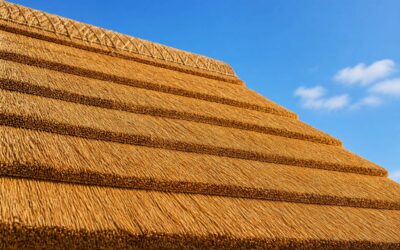
Finish comes through deliberate layering: each thatch layer overlaps the one beneath, with a gentle taper at the top to shed rain and discourage nibbling pests. Regular checks, especially after storms, keep joints tight and the surface even, allowing the fence to age gracefully rather than sag under the sun.
Installation Techniques
Across South Africa’s sun-warmed coastlines, a well-installed thatching fence breathes with the wind and stands as a quiet proverb in timber and reed. The installation honors both craft and climate, letting the fibers settle into place as seasons turn.
A sturdy frame begins with seasoned hardwood posts and cross-braces. Thatch is laid in tight, overlapping courses, with moisture kept in balance and bindings chosen to flex with heat and rain. The technique keeps the thatching fence from wavering, even as salt spray and sun press in.
- Aligns posts and frame to preserve straight lines and even tension
- Overlaps that shed rain and resist nibbling between seasons
- Bindings that balance strength with the natural give of reed and thatch
After storms, quiet checks keep joints tight and surface even, ensuring the thatching fence remains a graceful boundary for years to come.
Care and Maintenance
In South Africa’s wind-woken coastline, a thatching fence is more than boundary; it’s a living sentinel against the weather. “A good fence outlasts the storm,” locals say, and a well-kept fence proves it, standing firm for decades.
Care is a patient art: fibres settle with the seasons, moisture dances with sun rather than warping, and every gentle breeze reminds us to observe rather than brute-force. After gales, I listen for loosened bindings and softened strands, tending with quiet rigor so the boundary remains a calm, enduring presence.
Let the fence breathe with the coast—salt, sun, and wind working in concert. It stays, a quiet miracle beneath the South African sky.



0 Comments