Understanding Grass Thatch Roofs
What Is a Grass Thatch Roof?
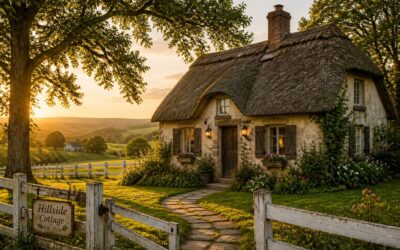
Amidst the rugged beauty of South Africa’s countryside, grass thatch roofs stand as a testament to age-old craftsmanship—a poetic tapestry woven from nature’s humble offerings. These roofs, with their layered elegance, whisper stories of tradition, resilience, and harmony with the environment. Understanding grass thatch roofs reveals more than just their structure; it unveils a living history, where each blade of grass contributes to a fragile, yet enduring, shelter against the elements.
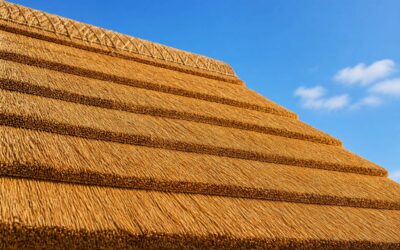
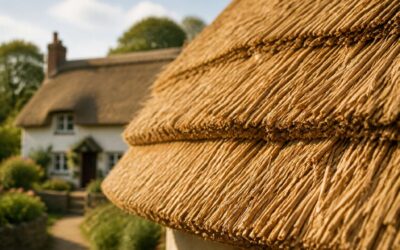
At their core, grass thatch roofs are an intricate assembly of natural materials—dried grasses, reeds, and sometimes even sedges—meticulously layered to form a waterproof, insulating canopy. The craftsmanship lies not only in the selection of materials but also in the artistry of their arrangement. Over time, however, exposure to weather and pests can compromise their integrity, making grass thatch roof repairs a vital process to preserve their poetic charm. Recognizing the signs of deterioration early ensures that these iconic structures continue to enchant future generations.
Benefits of Grass Thatch Roofing
Grass thatch roofs aren’t just a charming nod to tradition—they’re a marvel of natural engineering that has weathered South Africa’s fierce sun and biting winds for centuries. Their benefits go beyond aesthetics; they offer superb insulation, helping homes stay cool in summer and warm in winter. It’s like wrapping your house in a cozy, eco-friendly blanket woven from nature’s own fibers.
But let’s be honest—no roof is invincible. Exposure to the elements, pesky pests, and time itself can turn these poetic structures into fragile relics. That’s where expert grass thatch roof repairs come into play, restoring both beauty and function. When performed correctly, these repairs can extend the lifespan of a grass thatch roof by decades, preserving their cultural significance and environmental benefits.
- Enhanced insulation to keep the interior comfortable
- Natural breathability, reducing humidity and mold risks
- Eco-friendly materials that blend seamlessly into the landscape
Understanding the intrinsic benefits of grass thatch roofing underscores the importance of timely repairs. Neglecting small signs of deterioration may lead to costly replacements or, worse, structural failure. Skilled grass thatch roof repairs are not just about patching holes—they’re about safeguarding a piece of living history that enriches South Africa’s diverse heritage.
Common Materials Used in Thatch Roofing
Understanding the essence of grass thatch roofs begins with recognizing the materials that give them their resilience and charm. These roofs are crafted from a variety of natural fibers that have been used for centuries in South Africa, each chosen for their durability and aesthetic appeal. The most common materials include dried reeds, thatching grasses, and other woven plant fibers that work in harmony to create a weatherproof shield against the elements.
Natural breathability is a hallmark of grass thatch roofing, allowing moisture to escape while keeping the interior cool. Over time, however, exposure to harsh sunlight, pests, and shifting weather patterns can weaken these organic materials. When signs of deterioration appear, timely grass thatch roof repairs are crucial to maintain their integrity. Neglecting these issues can accelerate decay, making repair work more complex and costly.
In fact, many skilled thatchers incorporate specific materials into their repairs, such as:
- Fresh thatching grasses for seamless blending
- Natural reed bundles for added stability
- Protective coatings to repel pests and moisture
Choosing the right materials for grass thatch roof repairs isn’t just about patching a hole—it’s about restoring a living, breathing piece of South Africa’s cultural heritage. Master craftsmen understand that each fiber plays a vital role in preserving the roof’s natural insulation, breathability, and aesthetic charm. When these materials are expertly applied, the longevity of the roof is extended, ensuring it continues to tell its story for generations to come.
Types of Grass Thatch Roofs
South Africa’s diverse landscapes have given rise to a fascinating array of grass thatch roof types, each with its own unique charm and character. From the traditional Cape Dutch style to the rustic rural homesteads, these roofs are more than mere shelter—they are woven stories of culture and craftsmanship. Different grasses and reeds are selected based on their availability, durability, and aesthetic appeal, resulting in a rich tapestry of thatching styles across the region.
Some of the most notable types include:
- Reed thatch, often sourced from local wetlands, known for its resilience and water resistance.
- Sweetgrass that offers a finer, more delicate appearance while maintaining durability.
- Mixed grass that combines various natural fibers for enhanced strength and visual texture.
Understanding the nuances of these grass thatch roof types is essential when considering grass thatch roof repairs. Each type responds differently to environmental stressors, requiring tailored repair techniques to restore their natural beauty and protective qualities. Whether it’s replacing worn sections with fresh thatching grasses or reinforcing with natural reed bundles, recognizing the specific grass type ensures that repairs blend seamlessly into the existing structure, preserving the roof’s authentic charm and longevity.
Signs You Need Grass Thatch Roof Repairs
Visual Indicators of Damage
Nothing signals the urgency of grass thatch roof repairs quite like the sight of sagging or uneven patches—a telltale sign that your once pristine thatch is succumbing to the relentless march of time. When the roof begins to look tired or patchy, it’s often accompanied by an unmistakable musty aroma that hints at moisture seeping into the natural fibres.
Furthermore, the presence of loose or missing thatch strands, especially after a storm, is a clear visual cue that your roof’s integrity has been compromised. In areas where the grass thatch roof is exposed to frequent rain, signs of rot or moss growth can also appear, undermining the roof’s durability. Keep a keen eye out for drips or damp patches inside the building, as these indicate potential leaks.
In essence, if your grass thatch roof is showing signs of wear—be it sagging, moss, or moisture—it’s high time to consider professional grass thatch roof repairs. Addressing these issues early not only preserves the aesthetic charm but also prevents costly damage down the line.
Water Leaks and Moisture Issues
Water leaks and moisture issues are clear signals that your grass thatch roof needs urgent attention. When rain seeps through damaged patches, it can cause significant internal dampness and rot, jeopardising the entire structure. You might notice damp patches on ceilings or walls, or even a musty smell lingering inside. These signs shouldn’t be ignored—early detection makes all the difference in grass thatch roof repairs.
Persistent moisture encourages moss and algae growth, which further weakens the natural fibres of the thatch. If left unaddressed, this can lead to leaks, mould, and costly repairs down the line. Keep an eye out for:
- Visible damp patches inside your home
- Discolouration or moss growth on the roof surface
- Drips or pooling water after heavy rains
Detecting these moisture-related problems early is crucial for maintaining the integrity of your grass thatch roof. When signs of water ingress appear, professional grass thatch roof repairs are essential to restore durability and prevent further damage. Ignoring these issues risks compromising the aesthetic charm and structural safety of your traditional roof.
Structural Weaknesses and Sagging
Over time, even the most resilient grass thatch roofs can reveal telltale signs of structural weakness. When the natural fibres become compromised, the roof may start to sag or develop noticeable dips that disrupt the harmonious silhouette of your traditional home. This sagging isn’t just an aesthetic concern; it indicates a loss of integrity that could threaten the entire roof structure.
If you notice your grass thatch roof pulling away from the supporting framework or appearing uneven, it’s time to consider expert grass thatch roof repairs. A sagging roof can be a gateway for water ingress and pests, further accelerating deterioration. The subtle yet insidious nature of these weaknesses often goes unnoticed until visible damage emerges.
In more severe cases, the entire roof may appear to shift or dip, betraying a deeper issue lurking beneath the surface. Early detection and prompt grass thatch roof repairs are essential to prevent costly replacements or complete rebuilds.
Signs of Pest Infestation
In the shadowed corners of history, grass thatch roofs have whispered secrets of ancestral craftsmanship. Yet, beneath their rustic charm lurks a silent menace—pest infestation. These unwelcome guests, drawn by the organic allure, can silently ravage the natural fibres, turning strength into fragility. Recognising signs of pest infestation is crucial for those who cherish their heritage and wish to preserve its integrity.
Look closely for telltale signs—tiny holes, chewed edges, or an unsettling rustling within the thatch. In some cases, you might notice an unusual increase in bird activity or the presence of droppings, indicators that pests have taken up residence. If left unchecked, these intruders weaken the roof’s structure, making grass thatch roof repairs inevitable.
To safeguard your cherished dwelling, it’s essential to act swiftly. Early intervention not only preserves the aesthetic allure but also prevents more invasive damage. Remember, the true beauty of a grass thatch roof lies in its resilience—yet even the most resilient require vigilant care when pests threaten to undermine their integrity.
Preparing for Grass Thatch Roof Repairs
Assessing the Damage
Preparing for grass thatch roof repairs is crucial; it’s the difference between a simple fix and a costly overhaul. Before diving into repairs, it’s essential to assess the damage thoroughly. This isn’t merely about spotting a few loose bundles—sometimes, the issues run deeper, hidden beneath the surface. An inspection should focus on identifying areas where the thatch has become brittle, where moisture has seeped in, or where pests may have established a foothold.
To streamline your assessment, consider examining these key indicators:
- Signs of water penetration or damp patches
- Structural weaknesses such as sagging or warping
- Presence of pests like insects or birds that disturb the thatch
Once you’ve pinpointed the damage, you’ll have a clearer picture of the scope for grass thatch roof repairs, ensuring your roof remains resilient against South Africa’s unpredictable climate. Proper assessment not only preserves the roof’s integrity but also safeguards the longevity of your traditional thatch structure, making every repair count.
Gathering Necessary Tools and Materials
Preparing for grass thatch roof repairs requires more than just a casual glance upward; it demands a strategic gathering of tools and materials that can withstand South Africa’s diverse climate zones. The right equipment not only speeds up the process but ensures the integrity of each repair, preserving the authenticity of this traditional roofing style. A well-assembled toolkit is your first step toward restoring your thatched roof to its former glory.
Essential tools for grass thatch roof repairs include sharp pruning shears, a sturdy ladder, roofing nails, and a thatch hook—each serving a specific purpose in handling delicate bundles and securing loose sections. Additionally, protective gear such as gloves and safety goggles are indispensable, safeguarding you against stray thorny grass or accidental slips. To streamline your efforts, consider assembling a checklist of these items before beginning any repair work.
Gathering the right materials is equally vital. Make sure to have high-quality thatch bundles, preferably of the same grass type used originally, to maintain consistency and durability. Sealants and waterproofing agents are also recommended for vulnerable spots prone to water penetration or pest infestations. For a seamless repair process, some professionals recommend having an ordered list of steps to follow:
- Inspect and select suitable thatch bundles.
- Clear away any debris or damaged sections from the roof.
- Secure loose thatch with appropriate fasteners.
- Apply protective treatments to prolong the lifespan of the repair.
When all tools and materials are at hand, your grass thatch roof repairs can unfold smoothly, ensuring the structure remains resilient against South Africa’s often unpredictable weather patterns. Proper preparation is the cornerstone of a successful restoration—every detail counts in preserving these cherished traditional roofs for generations to come.
Ensuring Safety Precautions
Preparing for grass thatch roof repairs is a meticulous process that demands both vigilance and respect for the craft. In South Africa’s capricious climate, safety precautions are not just recommended—they are essential. The unpredictable weather, with its sudden downpours and gusty winds, can turn a simple repair into a perilous endeavor. Ensuring your safety begins with a thorough inspection of the work area, checking for loose or unstable sections that could pose a risk during repair activities.
Protective gear plays a pivotal role in safeguarding your well-being. Sturdy gloves shield your hands from thorny grass and rough thatch fibers, while safety goggles protect against debris and dust. A reliable ladder must be positioned securely, with non-slip feet, to prevent slips or falls as you navigate the often uneven surface of a thatch roof. For added assurance, some professionals recommend wearing a harness—especially when working near the roof’s edge—turning safety into a seamless part of the repair process.
- Assess the weather forecast meticulously before beginning any grass thatch roof repairs. Avoid working during rain or high winds, as moisture can compromise both safety and the integrity of the repair.
- Gather all necessary tools and materials beforehand—this minimizes unnecessary trips up and down the ladder, reducing risk and maintaining focus.
- Ensure your work area is clear of obstructions or debris that could cause slips or trips. A clean workspace is a safe workspace, especially in the context of traditional roofing thatching.
By embedding these safety measures into your preparation, the process of grass thatch roof repairs transforms from a potentially hazardous task into a controlled, confident endeavor—preserving the timeless beauty of South Africa’s cherished roofing traditions with each careful step taken.
Obtaining Permits and Professional Help
Preparation for grass thatch roof repairs extends beyond mere tools and materials; it demands a recognition of the legal and professional landscape that surrounds traditional roofing. In South Africa, obtaining the correct permits is not just a bureaucratic step—it’s a safeguard that ensures your project aligns with local regulations and heritage preservation standards. Without these authorizations, even the most skilled repair can face delays or legal complications.
Engaging professional help in grass thatch roof repairs is often a wise decision, especially given the intricate craftsmanship involved. Skilled thatchers possess not only the technical expertise but also the deep understanding of the cultural significance embedded in each repair. Their experience ensures that repairs are performed with a respect for tradition and a keen eye for durability. When considering who to hire, remember that:
- Experienced thatchers can assess hidden damage that may not be immediately visible
- Properly licensed professionals adhere to safety standards, reducing risk
- Quality workmanship prolongs the lifespan of your thatch roof, saving future costs
In the delicate process of grass thatch roof repairs, the choice to obtain permits and hire seasoned experts becomes an act of respect—for the craft, the environment, and your own peace of mind. This layered approach transforms a simple repair into a meaningful preservation of South Africa’s rich roofing heritage, ensuring each restoration honors the integrity of the original thatch.
Step-by-Step Guide to Grass Thatch Roof Repairs
Removing Damaged Thatch
When it comes to grass thatch roof repairs, the first step is to carefully remove the damaged or decayed thatch. This process is akin to peeling back layers of a story long told—each strip revealing the health of the underlying structure. Using a sharp thatching sickle or specialized tools, gently lift the compromised sections, taking care not to disturb the intact layers beneath. The goal is to eliminate all signs of rot, pest activity, or weakened material that could jeopardize the roof’s integrity.
Once the damaged thatch is cleared, it’s essential to assess the exposed framework. If any timber or supporting beams show signs of moisture or weakness, these should be addressed before new thatch is added. For a seamless repair, consider using a layered approach by adding fresh grass thatch in overlapping sections, which ensures durability and a natural aesthetic. Remember, meticulous removal of the damaged thatch not only preserves the structure but also paves the way for effective grass thatch roof repairs that will stand the test of time!
Replacing or Reinforcing Thatch Layers
When embarking on grass thatch roof repairs, precision and patience are your most trusted allies. After the initial assessment of damage, the next logical step involves replacing or reinforcing the thatch layers with care. This process isn’t merely about patchwork; it’s about restoring the roof’s natural resilience and aesthetic charm.
Start by carefully removing the compromised sections, ensuring that you don’t disturb the healthy thatch below. Once the damaged material is cleared, it’s time to add fresh grass thatch in overlapping layers. This layered approach not only enhances durability but also preserves the authentic, rustic look that makes thatched roofs so enchanting. A well-executed reinforcement can extend the life of your roof significantly, turning a fleeting repair into a lasting masterpiece.
- Align the new thatch in the same direction as the existing layers for a seamless appearance.
- Overlap each section adequately to prevent water ingress and pest intrusion.
- Secure the new thatch with traditional binding methods or modern wire ties, depending on preference.
It’s crucial to remember that grass thatch roof repairs are as much about artistry as they are about engineering. When done correctly, they breathe new life into your roof, ensuring it remains a proud feature of your home for years to come. Such meticulous attention to detail guarantees not just a repair but a resurrection of the roof’s natural charm and strength.
Securing Thatch Properly
Securing your grass thatch roof with precision is a vital step in the delicate art of grass thatch roof repairs. Once the damaged sections are carefully replaced or reinforced, the next challenge is ensuring that each layer of thatch is firmly anchored, preventing future vulnerabilities. The process is almost like weaving a tapestry—each strand must be meticulously placed to maintain the roof’s natural harmony and resilience.
To achieve this, traditional binding methods such as binders or modern wire ties are employed, depending on the desired authenticity or durability. The new thatch should be aligned perfectly with the existing layers, following their natural flow to preserve the aesthetic charm. Overlap each section adequately to create a formidable barrier against water ingress, pests, and the elements. This layered approach not only fortifies the structure but also retains the rustic allure that makes grass thatch roofs so enchanting.
For optimal security, consider using the following steps during your grass thatch roof repairs:
- Align the new thatch in the same direction as the existing layers for a seamless look.
- Overlap each section sufficiently to ensure water and pests cannot penetrate between layers.
- Secure the thatch using traditional bindings or modern wire ties, whichever best suits your style and the roof’s requirements.
Remember, the heart of grass thatch roof repairs lies in the careful craftsmanship of securing each layer. When executed with patience and an eye for detail, this process breathes new life into your roof, transforming it into a resilient and breathtaking feature of your home that stands the test of time and weather.
Applying Protective Coatings and Treatments
Applying protective coatings and treatments is a crucial phase in grass thatch roof repairs, ensuring longevity and resilience against South Africa’s often unpredictable weather. Once the new thatch layers are securely fastened, a specialized waterproof coating can be brushed or sprayed onto the surface, providing an extra barrier against rain and moisture infiltration. This step not only prolongs the life of your roof but also enhances its natural appearance, preserving the rustic charm that makes grass thatch roofs so unique.
To maximize protection, consider using natural oils or modern sealants designed specifically for thatch. These treatments penetrate the fibers, making them resistant to pests and decay. For added durability, a second coat can be applied once the first has dried thoroughly. The process breathes new life into aged or damaged thatch, transforming a worn roof into a robust, weatherproof masterpiece.
- Clean the surface thoroughly to remove debris and loose fibers.
- Apply the protective coating evenly using a brush or sprayer, ensuring full coverage.
- Allow sufficient drying time, then inspect for any missed spots.
In expert grass thatch roof repairs, this meticulous approach to applying protective coatings and treatments is the final flourish that guarantees your roof withstands the test of time and South Africa’s diverse climate. Properly treated thatch not only guards against pests and moisture but also maintains its aesthetic allure for decades to come.
DIY vs. Professional Grass Thatch Roof Repairs
When to Consider DIY Repairs
When it comes to grass thatch roof repairs, the question isn’t just about whether to DIY or call in the pros — it’s about knowing when to draw the line. While the allure of saving a few rand and channeling your inner thatcher might seem tempting, remember that grass thatch roof repairs require a keen eye and a delicate touch. For minor issues like loose thatch or small patch-ups, a confident DIY enthusiast might tackle the job with the right tools and safety precautions. However, for significant damage or structural concerns, professional intervention is a wise investment.
Consider this: improper repairs can lead to further deterioration, water leaks, or pest infestations — issues that no homeowner wants to deal with in the long run. To determine if DIY grass thatch roof repairs are feasible, evaluate the damage carefully. If you see sagging, extensive rot, or widespread pest activity, it’s time to call in the experts. After all, a well-maintained grass thatch roof isn’t just charming; it’s a critical part of your property’s integrity. Sometimes, the best fix is knowing when to let the professionals take over, ensuring your roof remains a resilient, lush sanctuary against South Africa’s unpredictable weather.
Benefits of Hiring Experts
While the charm of a grass thatch roof is undeniable, the decision to undertake grass thatch roof repairs yourself requires careful consideration. For minor issues such as loose thatch or small patch-ups, a homeowner with a steady hand and some experience might find success. However, the delicate balance of natural materials and the complex craftsmanship involved mean that many repairs are best left to the experts.
Hiring professional thatchers offers several compelling benefits. First, their expertise ensures that repairs are not only aesthetically pleasing but also structurally sound—crucial for withstanding South Africa’s unpredictable weather. Additionally, seasoned professionals possess access to specialized tools and high-quality materials that significantly prolong the lifespan of your grass thatch roof.
Moreover, experts understand the importance of proper sealing and pest management—factors that DIY efforts might overlook. Consider this:
- Ensuring durability against weather-related wear and tear
- Preventing pest infestations that threaten the integrity of the roof
- Maintaining aesthetic appeal with authentic craftsmanship
Ultimately, investing in professional grass thatch roof repairs can save you money and stress in the long run, protecting your home’s charm and structural integrity for years to come.
Cost Comparison
When it comes to grass thatch roof repairs, the cost difference between DIY and hiring professionals can be as stark as the South African sun versus a cloudy day. While tackling repairs yourself might seem budget-friendly at first glance, the hidden expenses of mistakes can quickly add up. DIY enthusiasts often underestimate the complexity involved, especially with natural materials that demand finesse and experience. The true expense lies in potential future repairs caused by improper sealing or reinforcement.
On the other hand, professional thatchers bring not only expertise but also access to specialized tools and high-grade materials that are essential for durable grass thatch roof repairs. Their craftsmanship ensures your roof remains resilient against South Africa’s unpredictable weather, pests, and wear. Plus, professionals often offer warranties on their work, giving peace of mind that your investment is protected.
- Materials and tools costs
- Time invested in DIY efforts
- Potential future repair expenses
- Cost of professional services (which often include ongoing maintenance)
Ultimately, while DIY might seem cheaper upfront, the long-term financial and structural benefits of hiring seasoned experts make professional grass thatch roof repairs a savvy choice—saving you stress, money, and the headache of a less-than-perfect patch-up.
Choosing the Right Thatch Roofing Contractor
When it comes to grass thatch roof repairs, the choice between a do-it-yourself adventure and enlisting seasoned professionals can feel like standing at a crossroads in the veld—each path promising distinct rewards and risks. While DIY repairs may appear as a tempting shortcut—an attempt to preserve the rustic charm of your thatched haven—one must weigh the hidden costs that lurk beneath the surface. Mistakes made in the art of grass thatch roof repairs often lead to more than just aesthetic blemishes; they threaten the very integrity of your treasured roof, inviting future woes that can be costly and disruptive.
Opting for professional thatchers transforms the task from a gamble into a meticulous craft. Their mastery, honed through years of experience, ensures every strand is woven with finesse, every layer reinforced with precision. Beyond their expertise, they bring access to specialized tools and high-grade materials that are vital for enduring repairs—elements that DIY enthusiasts might struggle to procure or execute properly. The true beauty of hiring professionals lies in the peace of mind they offer, often backed by warranties that safeguard your investment against South Africa’s capricious weather, pests, and wear.
- Expertise in assessing the subtle signs of damage and devising durable solutions
- Access to premium materials and tools designed specifically for grass thatch roof repairs
- Long-term savings by avoiding costly future repairs caused by improper sealing or reinforcement
- Protection of your home’s heritage and aesthetic charm with craftsmanship that endures
Ultimately, while the allure of DIY grass thatch roof repairs whispers of saving money in the moment, the enduring value of professional craftsmanship—its resilience, longevity, and peace of mind—makes it the wiser investment. In the realm of grass thatch roofing, expertise isn’t just a luxury; it’s the foundation of a roof that stands resilient amidst South Africa’s wild, unpredictable landscape.
Maintenance and Longevity of Grass Thatch Roofs
Regular Inspection Tips
Maintaining the integrity of a grass thatch roof is akin to tending a living tapestry woven with history and tradition. These roofs, when nurtured properly, can last for decades, weathering the storms and sunlit days of South Africa’s diverse climate. Regular inspection is the cornerstone of longevity; it allows for the early detection of subtle signs of wear that may otherwise escalate into costly repairs. Be vigilant for loose or discolored thatch, which can herald underlying issues.
To ensure your grass thatch roof remains resilient, it’s wise to adopt a routine inspection schedule—at least twice a year, ideally after heavy rains or windstorms. During these inspections, look for areas where the thatch may be thinning or showing signs of pest activity. Addressing minor issues promptly not only preserves the aesthetic charm but also extends the lifespan of the roof. Remember, the magic of a durable grass thatch roof lies in proactive care—preventing damage before it takes hold.
Cleaning and Clearing Debris
Keeping a grass thatch roof in tip-top shape requires more than just a casual glance every now and then. Regular cleaning and clearing debris are essential steps in maintaining the roof’s longevity and charm. Over time, leaves, twigs, and even dirt can accumulate, creating the perfect breeding ground for pests or moisture retention—both of which spell trouble for your beloved thatch.
To prevent these issues, schedule seasonal cleanings to remove unwanted debris. Use a soft broom or a gentle leaf blower—nothing too aggressive that might dislodge the thatch layers. Clearing debris not only preserves the aesthetic appeal but also fortifies the roof against water infiltration and pest infestation, both of which can accelerate deterioration.
In fact, a well-maintained grass thatch roof can last for decades with proper care. Regular cleaning acts as a frontline defense, minimizing the need for extensive grass thatch roof repairs down the line. Think of it as giving your roof a spa day—refreshing, rejuvenating, and ultimately extending its life in South Africa’s unpredictable climate.
Treatments to Prevent Pests and Diseases
In the delicate dance of preserving a grass thatch roof, consistent maintenance is the silent guardian of its enduring grace. Without vigilant care, pests and diseases can infiltrate, turning beauty into a battleground. The very fibres that lend charm to your roof are vulnerable to tiny invaders—mites, beetles, and fungal spores—that threaten its integrity from within.
To fortify your thatch against these silent foes, regular treatments are paramount. Applying natural repellents and fungicides creates an unwelcoming fortress for pests and disease. Think of it as a ritual of renewal—an annual safeguard that preserves the lush vibrancy of your thatch.
Moreover, monitoring for early warning signs—discolouration, unusual odours, or weakened patches—can save you from costly grass thatch roof repairs down the line. Embracing a proactive approach, with scheduled treatments and inspections, transforms your roof into a resilient shield against South Africa’s capricious climate and its pests. When cared for with diligent devotion, your grass thatch roof can flourish for decades, a testament to both nature’s artistry and your unwavering commitment to preservation.
Re-thatching and Repair Schedules
Maintaining a grass thatch roof is an ongoing commitment. Its longevity depends heavily on a well-planned re-thatching and repair schedule. Without consistent attention, even the most robust thatch can deteriorate, inviting pests and water damage. Regular inspections help identify early signs of wear—discolouration, sagging, or loose thatch—allowing for timely repairs that extend the roof’s lifespan.
In South Africa’s diverse climate, a proactive approach to grass thatch roof repairs is essential. Typically, re-thatching should occur every 10 to 15 years, depending on the material quality and exposure. Minor repairs, such as replacing damaged sections or adding reinforcing layers, can be scheduled every few years to prevent small issues from escalating. Employing a professional thatching contractor ensures repairs are executed correctly, preserving the roof’s natural beauty and structural integrity.
- Inspect the roof regularly for signs of damage or pests.
- Schedule re-thatching or patch repairs before major deterioration occurs.
- Coordinate with specialists to maintain the thatch’s resilience against South Africa’s weather challenges.
This systematic approach to grass thatch roof repairs not only safeguards your investment but also sustains the aesthetic appeal and functional performance of your roof for decades. Proper maintenance and timely re-thatching stand as the pillars of a durable, beautiful grass thatch roof that can weather the elements in any season.
Environmental and Cultural Significance of Grass Thatch Roofs
Eco-Friendly Aspects
Grass thatch roof repairs are more than mere maintenance—they’re a preservation of cultural heritage and a testament to sustainable living. In many South African communities, these roofs symbolize resilience and a deep connection to tradition, embodying centuries of craftsmanship passed down through generations. Their environmental significance is profound; when repaired with eco-friendly materials, they reduce reliance on synthetic alternatives and minimize ecological footprints.
Furthermore, grass thatch roofs serve as natural insulators, maintaining comfortable indoor temperatures and reducing energy consumption—a crucial benefit in our increasingly eco-conscious world. The eco-friendly aspects of grass thatch are undeniable: they are biodegradable, renewable, and support local biodiversity. During repairs, sourcing local grass varieties not only sustains regional ecosystems but also preserves the authenticity of traditional construction techniques, ensuring these roofs remain a living part of South Africa’s cultural landscape.
By safeguarding these roofs through expert grass thatch roof repairs, communities honor their environment and heritage simultaneously, reinforcing a collective identity rooted in sustainability and history. It’s a reminder that true progress respects the past while nurturing the earth!
Cultural Heritage and Preservation
Grass thatch roofs are more than just traditional coverings; they are living symbols of cultural identity and environmental stewardship in South Africa. For generations, these roofs have stood the test of time, embodying resilience and craftsmanship rooted in community history. When it comes to grass thatch roof repairs, preserving these structures is a way of safeguarding a rich cultural heritage, ensuring that future generations can appreciate their beauty and significance.
Beyond their cultural importance, grass thatch roofs hold profound environmental value. They are inherently biodegradable and renewable, supporting local biodiversity and reducing ecological footprints. Sourcing local grass varieties during repairs not only maintains authenticity but also fosters sustainable practices that respect the land. In this way, repairing a grass thatch roof becomes a act of environmental preservation, blending tradition with eco-conscious living.
These roofs naturally insulate homes, helping to regulate indoor temperatures and lower energy consumption—key benefits in our effort to live sustainably. As communities continue to cherish their heritage, expert grass thatch roof repairs play a crucial role in maintaining these ecological and cultural treasures. When properly cared for, they serve as resilient, eco-friendly homes that echo the stories of generations past—reminding us that true progress honors both tradition and the earth!
Sustainable Roofing Practices
In the heart of South Africa’s diverse landscapes, grass thatch roof repairs are more than a practical necessity—they are a vital link to cultural identity and ecological harmony. These roofs, crafted from locally sourced grasses, embody centuries of craftsmanship rooted in community traditions. Their preservation ensures that the stories of ancestors continue to resonate through the intricate weaving of natural materials.
Beyond their cultural significance, grass thatch roofs serve as living symbols of sustainable living. They support local biodiversity by using biodegradable, renewable materials, reducing ecological footprints in rural and urban settings alike. Sustainable roofing practices, such as sourcing grass varieties native to the region, uphold both authenticity and eco-conscious values.
Because these roofs naturally insulate homes, they play a crucial role in reducing energy consumption—a vital benefit in our quest for sustainable development. Regular grass thatch roof repairs not only preserve their beauty but also maintain their ecological and cultural integrity, allowing future generations to marvel at these resilient, eco-friendly structures. In this way, each repair becomes a celebration of tradition, craftsmanship, and environmental stewardship intertwined in the very fabric of South Africa’s heritage.

0 Comments