Overview of thatch roofing options
Definition and components of thatching panels
Across South Africa, traditional roofs remain a vivid emblem of warmth and practicality, with more than half of rural homes choosing natural shade and cooling. These roofs capture a living texture that buffers heat and rain while lending character to contemporary designs.
Thatched panels combine a sturdy base with a packable layer of reed, straw, or thatching grasses, bound together and finished with a weatherproof coating. The result is a modular system that’s easy to install and repair, offering durable performance when paired with proper ridge work and an appropriate underlay for thatch roof sheets.
- Base panel or battens for support
- Thatching material (reed, straw, or grass)
- Seasoning, binding, and fixing elements
- Ridge cap and protective coating
In shaping a roof that breathes with the African climate, thatching panels blend myth and modern engineering—soft to touch, strong in storms, and surprisingly sustainable when woven with care.
Key benefits and limitations for homes and outbuildings
Across rural South Africa, more than half of homes rely on thatch roof sheets to balance heat, rain, and character. Options span reed, straw, and thatching grasses, each lending a distinct texture that ages gracefully under the sun. Breathable by design, these roofs keep interiors cooler and invite the outdoors in.
Key benefits for homes and outbuildings include natural insulation and a light environmental footprint.
- Natural insulation moderates temperatures year-round
- Lightweight construction eases installation and reduces load
- Renewable, locally sourced materials support sustainable building
Thatch roof sheets also pair well with creative architecture, offering texture and shadow play that elevates modern designs. They suit croft-like outbuildings, studios, and garden pavilions too.
Limitations: these roofs require periodic maintenance to stay watertight. Fire risk exists without proper treatment, so protective measures are essential. With skilled installation, they remain characterful, durable options for homes and outbuildings across South Africa.
Typical installation contexts and use cases
Across South Africa’s sun-scorched plains, thatch roof sheets marry shade and sky, a living texture that ages with grace. Reed, straw, and thatching grasses bring texture and a whisper of history to modern lines, while breathable design keeps interiors cool and inviting.
Typical installation contexts embrace rural homesteads, croft-like outbuildings, studio spaces, garden pavilions, and heritage restorations.
- Rural homesteads and guest cottages
- Croft-style outbuildings and workshops
- Garden pavilions and outdoor living rooms
- Heritage or restoration projects with character-first designs
These options blend with the South African landscape, offering a textured counterpoint to steel and glass and a warmth that ages with grace.
Maintenance basics and longevity expectations
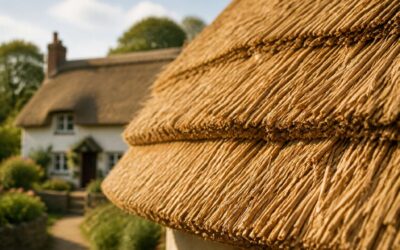
Thatch roof sheets unfurl as a living tapestry across South Africa’s light-filled horizons. They arrive in reed, straw, or native grasses, each with a different cadence of shade and scent. Reed offers a compact, weather-ready weave; straw lends a warmer, honeyed glow; grasses carry a grassy whisper that softly shrouds the silhouette. In the hands of a skilled thatcher, these textures become a counterpoint to steel and glass, aging with grace rather than surrendering to time.
Maintenance basics for thatch roof sheets hinge on light touches of weathered care rather than harsh intervention. Regular expert inspections, sound ridge detailing, and honest attention to moisture—these frame longevity. In South Africa’s varied climates, a well-executed thatch roof sheet assembly can endure for decades, its character deepening with each season. Material choice, weave density, and the artistry of installation write the script for how long shelter remains intact.
Types and variants of thatching roof sheets
Natural materials: wheat straw, reed, and other botanicals
Thatch roof sheets carry centuries of craft in a single, living layer. In South Africa, a well-chosen variant can shrug off sun and rain for two decades or more when cared for with respect. The right mix stitches a roof into the landscape.
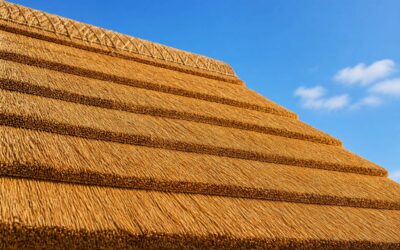
Natural materials—wheat straw, Cape reed and other botanicals—define the look and performance of thatch roof sheets. The textures range from silky, golden wheat to dense reed, with leafy sedges offering distinct shade and weather resilience.
- Wheat straw: golden, light
- Cape reed: robust, wind-friendly
- Sweet grasses: soft texture
These variants influence rhythm, color, and longevity, offering designers a palette as diverse as the South African skies. The choice of material whispers a story—ancient, earthy, and utterly contemporary.
Sheet formats: flat vs corrugated and interlocking designs
Across South Africa’s sun-split horizons, thatch roof sheets unfold like living tapestries—aged by sun, tempered by rain, and renewed by mindful care. This realm of thatching presents types and variants that sculpt the roof’s rhythm and hue, from the whisper of fine straw to the stout cadence of reed. Each choice threads a story into the eaves, a promise of texture, shade, and shelter that looks as timeless as the savannah sky.
Sheet formats shape behavior as much as appearance. Flat sheets offer a quiet, uninterrupted plane; corrugated sheets introduce a wind-tolerant, rippling silhouette; interlocking designs lock seams tight for enduring weather resistance. Where thatch roof sheets meet architecture, format becomes a language—one that speaks of durability, craft, and the landscape’s living needs.
- Flat sheets: calm horizons and even colour feel.
- Corrugated sheets: dynamic light, enhanced drainage, and uplift resistance.
- Interlocking designs: speedy installation with snug, rainproof joints.
Treatment options: untreated, waterproofed, and fire-retardant coatings
In SA’s sun-split horizons, thatch roof sheets carry a weathered wisdom—the roof that breathes with wind and stores season in its fibres. Types span fine straw, reed, or blended botanicals; each variant drums a different beat: whisper-smooth for quiet elegance or rugged for robust shade.
Treatments extend life and safety, and choosing the right finish matters.
- Untreated: natural patina, requires more maintenance.
- Waterproofed: breathable barrier against rain while shedding moisture.
- Fire-retardant coatings: slows flame spread and protects structure.
One breath, one beam, and a roof that ages like fine timber—endurance comes when cared for with patient artistry.
Regional considerations: climate, regulation, and availability
Thatch roof sheets carry a weathered wisdom—the roof that breathes with wind. In South Africa’s sun-split horizons, textures shift from airy light to a denser canvas of shade. Variants offer rhythms for different climates: a soft patina for elegance, or a robust interlock for shelter. Each choice tunes performance to season and light.
Regional considerations shape how they perform and endure: climate, regulation, and availability guide selection and timing.
- Climate compatibility: heat, rain, humidity, and wind influence aging and maintenance.
- Regulation and permits: local codes, fire-safety requirements, and certification standards.
- Availability: regional mills, artisan networks, and lead times for thatching.
Together, these factors shape the character and longevity of thatch roof sheets.
Aesthetic styles and color options
Sunlit, wind-brushed and stylish, thatch roof sheets turn a house into a story. In SA, design teams choose them for character, not just shelter. Aged tones shimmer with light; the silhouette shifts with the season. Here are aesthetic lanes you’ll see on SA rooftops:
- Rustic pastoral: airy blondes and uneven textures for a cottage feel.
- Coastal modern: lighter, cleaner lines with interlocking profiles for sea-facing homes.
- Heritage revival: deeper bronzes that nod to historic thatch crafts.
Color options range from sun-kissed oat to charcoal shadows, with patina finishes that age gracefully. Some thatch roof sheets are treated for colorfastness or given a satin or matte look, shifting how light plays on the surface. The palette isn’t merely cosmetic—it’s a performance signal to the eye and climate. That makes thatch roof sheets versatile for any SA setting.
Installation and craftsmanship
Selecting qualified thatch roof installers
“The roof is a poem you live beneath,” a master thatcher once whispered, and in South Africa’s sun-scorched towns that poem endures. For thatch roof sheets to sing for decades, installation must be more than a quick fit; it is a ritual of alignment, pitch, and breath. Skilled installers splice tradition with modern safety, turning raw reed or wheat straw into a watertight, weather-smart skin.
To secure the craft, choose installers with a proven track record and formal training. Consider these hallmarks:
- Verified references and a portfolio of completed projects
- Compliance with local building codes and fire safety standards
- Access to quality, responsibly sourced materials and maintenance support
In South Africa, the interplay of light and wind gives each roof a living texture. When skilled hands work with patience, thatch roof sheets become a shield and a shadow, both functional and poetic.
Roof preparation and substrate requirements
“The roof is a living skin,” a master thatcher once whispered, and that mindset guides every installation. For thatch roof sheets to endure, preparation starts at the substrate—the frame must be plumb, dry, and clean, with battens spaced to spread weight and shed moisture. In South Africa’s sun and wind, a breathable, continuous base keeps the thatch taut and wards off leaks.
- Structural verification: load-bearing capacity and timber integrity
- Dry, clean substrate with properly spaced battens
- Ventilation paths and flashing at eaves and junctions
Skilled hands match tradition with modern safety, aligning seams and ridges so that thatch roof sheets sing under rain and shade alike. Precision here ensures longevity and a weather-smart skin that protects the home and adds character to any SA property.
Underlays, weatherproofing, and sealing methods
Installation and craftsmanship shine when underlays, weatherproofing, and sealing come together like a chorus. For thatch roof sheets in South Africa, a breathable base is not optional—it’s essential! We deploy a permeable underlay that guards against condensation while letting moisture escape, so the roof remains taut and resilient through sun, wind, and rain.
Key elements that shape durability include:
- Underlays that are breathable, UV-stable, and dimensionally steady.
- Weatherproofing with sealed seams and wind-driven rain protection.
- Sealing methods at ridges and eaves to lock in the thatch roof sheets.
We align seams with quiet precision, turning tradition into a weather-smart skin that breathes resilience. The result is protection with character, a SA home that stands tall with every season on the horizon.
Safety, timelines, and project management
When installing thatch roof sheets, craftsmanship is a dance of timing, touch, and quiet precision. In South Africa’s climate, safety and planning are the first lines of defense—scaffolding, fall protection, and weather-aware scheduling. Our teams choreograph each step so contours align and seams breathe with the season—such a chorus of hands!
A disciplined timetable guides every finish. Key touchpoints include:
- Robust safety protocols: harnesses, helmets, edge protection, and controlled site access.
- Realistic timelines with lead-time buffers and weather contingencies.
- On-site coordination: clearly defined roles, briefings, and progressive quality sign-offs.
- Transparent communication: regular client updates and documented approvals.
When these elements align, installation becomes more than assembly—it is a pledge to durability and grace. The craft endures because each step respects rhythm, the integrity of natural materials, and the people who live beneath the roof.
Durability, maintenance, and repairs
Climate resilience and performance over time
In South Africa’s sun-burnished streets, durability isn’t a luxury; it’s a steadfast companion. The thatch roof sheets carry a quiet heft, aging like wind-carved stone as they shed heat and soften rain into a gentle hush. When properly chosen and installed, they endure with grace!
Climate resilience and performance over time require respect for how materials breathe, drain, and shed water. The story of durability is a patient one—long after summer storms, the structure remains confident and steady.
- Seasonal inspections after storms
- Prompt replacement of damaged sections
- Maintenance of drainage and breathability
- Protection from vermin and debris
Thatch roof sheets endure best when we listen to the roof’s aging dialogue. Over time, minor repairs—handled with care—preserve wind resistance and thermal comfort, letting the roof speak softly amid South Africa’s changing horizons.
Seasonal maintenance routines
South Africa’s sun-burnished streets are a stern tutor in resilience. We live in a country where roofs endure thousands of hours of sun annually, shaping a material that ages like wind-carved stone. The thatch roof sheets welcome heat and soften rain into a hushed whisper, aging with grace through the seasons.
Durability is a dialogue between breathability, drainage, and water shedding. When the roof speaks in small, almost imperceptible signs — a shade of damp, a change in texture, a whistling wind — we listen. Seasonal vigilance keeps the thatch roof sheets resilient, with minor repairs preserving wind resistance and thermal comfort as horizons shift.
As seasons turn, the roof’s quiet work continues, a patient testament to craft and care.
Repair techniques for damaged thatch sheets
Durability is a conversation between sun and shelter. thatch roof sheets drink heat and soften rain into a hushed whisper, aging like wind-carved stone. When small signs appear—a hint of damp or a lifted edge—we answer with care as seasons turn.
Repair techniques for damaged thatch sheets favor blending, binding, and breathability. We honour the craft by matching materials and weaving so the patch breathes with the original layer. In practice, skilled teams assess the damage, select matching thatching, and reclose the weave to maintain water shedding.
- Assess and match materials to preserve texture and airflow
- Weave new thatch into the existing layer to sustain continuity
- Secure with traditional bindings that respect the roof’s physics
- Consider a breathable finish when climate warrants it
Seasonal vigilance remains the best maintenance strategy; the roof endures with charisma as the craft is honoured. thatch roof sheets reward such care with a long life.
Pest control, moss, and mold prevention
Durability in these living shingles arises from the dialogue between sun and shelter; thatch roof sheets drink heat and breathe, letting rain whisper across their woven skin. When a small veil of damp or a lifted edge appears, we respond with patient craft—matching materials, reweaving, and careful binding to preserve water shedding. Maintenance keeps the character intact, and durable roofs begin with thoughtful installation and ongoing checkups rather than bravado in the storm.
Pest control and moss and mold prevention stand as quiet guardians, ensuring the weave stays resilient through seasons. By nurturing airflow and keeping moisture at bay, the roof maintains its charisma and its life. Seasonal vigilance is the anchor of longevity, a creed that our teams honour as they tend the canvas of woven thatch across South Africa’s climate and light.
Common failure modes and when to replace
Durability in thatch roof sheets arises from a patient dialogue between sun and shelter. They drink heat and breathe, letting rain whisper across their woven skin. Our hands guide this conversation with deliberate installation and attentive checkups, not bravado in the wind. When a small veil of damp or a lifted edge appears, we respond with patient craft—reweaving, binding, and materials matching to preserve water shedding and the roof’s enduring charm.
- lifted edges or torn fronds that expose the weave
- moss, lichens, or mold taking hold on the surface
- insect or rodent damage nibbling at the seams
- sagging or compressed thatch reducing drainage
- gaps around fastenings or ridge losses
When wear becomes pervasive, replacement becomes prudent rather than patchwork. Widespread thinning, multiple failed patches, or persistent leakage signal it is time to call specialists who understand local South African climates and the allure of long-lived roofs.
Cost, sustainability, and ROI
Initial investment ranges and influencing factors
Costs for thatch roof sheets sit famously in the spotlight, but the story isn’t all sticker shock. In my SA projects, the upfront investment often reflects materials, installation complexity, and regional access, yet the long-term gains—better insulation, natural cooling, and distinctive curb appeal—can trim energy bills and boost home value in the right South African climate. Sustainable choices, such as local straw or reed, reduce embodied energy and support rural economies, nudging ROI toward the favorable side.
- Material choice and coatings
- Roof complexity and site access
- Local regulations and permit requirements
- Supplier reliability and installer skill
Ultimately, ROI for thatch roof sheets hinges on climate, maintenance discipline, and the ability to capitalise on natural insulation. In the right SA town, the blend of lower energy use and envious aesthetics can recoup costs over time, turning a rooftop into a green, long-term asset rather than a decorative risk.
Lifespan, warranties, and replacement cycles
South Africa’s sun-baked towns prove the truth: a well-kept thatch roof sheets can trim cooling energy use by up to 20%, turning the ceiling into a living thermostat. Costs vary with material choice—local wheat straw or reed—installation complexity, and how easily a crew can access the site. Sustainability matters: local materials cut embodied energy and support rural economies, nudging ROI toward the favorable side. In the right SA climate, the payoff shows up as cooler summers and a home that ages with character rather than fashion!
ROI Lifespan, warranties, and replacement cycles: these aren’t afterthoughts but the backbone of value for thatch roof sheets.
- Lifespan: 15–25 years with proper maintenance.
- Warranties: coatings and installation often 5–10 years.
- Replacement cycles: periodic refurbishment or partial renewal every 15–30 years, depending on environment.
Energy efficiency and insulation benefits
In SA towns, well-kept thatch roof sheets can trim cooling energy use by up to 20%, turning the ceiling into a living thermostat. Cost wise, the price tag hinges on material choice—local wheat straw vs reed—installation complexity, and how easy a crew can access the site. That mix sets the break-even point and future savings into motion, and we’ve found it can be worth it long before factoring in the warmth of a roof that ages with character rather than fashion.
- Material choice: local wheat straw vs reed
- Installation access and complexity
- Maintenance and refurbishment cycles
From a sustainability angle, using local materials cuts embodied energy and supports rural economies, nudging ROI toward the favorable side. In the right SA climate, these roofs deliver genuine insulation benefits, translating to cooler summers and a more temperate indoor feel while still aging with character rather than fashion.
Environmental impact and sustainable sourcing
Cooling is cheaper when roofs listen to the climate. In SA towns, well-kept thatch roof sheets can trim cooling energy use by up to 20%, turning the ceiling into a living thermostat. Cost hinges on material choice—local wheat straw versus reed—installation access, and refurbishment cycles. The break-even point dances to these variables, and long-term savings arrive long before the warmth of aged character is factored in.
- Material choice: local wheat straw vs reed
- Installation access and complexity
- Maintenance and refurbishment cycles
From a sustainability angle, using local materials cuts embodied energy and supports rural economies, nudging ROI toward the favorable. In the right SA climate, these roofs deliver genuine insulation benefits, translating to cooler summers and a more temperate indoor feel while aging with character rather than fashion. Thatch roof sheets crafted from regional botanicals reduce transport and waste, aligning style with stewardship.
ROI emerges where life-long performance meets responsible sourcing. Environmental impact improves when sustainable sourcing choices anchor supply chains and protect local ecosystems. In this story, ROI isn’t a number alone; it’s a narrative of lower energy bills, timeless aesthetics, and a resilient roof that ages with that unique SA charm.
- Lower embodied energy from regional materials
- Reduced transport emissions and strengthened rural economies
- Long-term cooling savings and extended roof lifespan
Financing options, incentives, and maintenance budgeting
SA towns measure climate resilience in kilowatts and character. The upfront cost of thatch roof sheets depends on material choice, installation access, and refurbishment cycles, but the payoff is tangible: cooler interiors and a long arc of savings, even before the warmth of aged character is factored in.
From a sustainability lens, local materials cut embodied energy and bolster rural economies, nudging ROI toward the favorable. In the right SA climate, these roofs deliver genuine insulation benefits, translating to cooler summers and a tempered indoor feel while aging with character rather than fashion. Thatch roof sheets crafted from regional botanicals reduce transport and waste, marrying style with stewardship.
Financing options, incentives, and maintenance budgeting shape the ongoing value.
- Green financing options and supplier-backed plans
- Incentives: tax allowances or depreciation for durable roofing
- Maintenance budgeting: a reserved line item for refurbishment cycles


0 Comments