Traditional Wheat Thatching Techniques and History
Origins of wheat thatching in agricultural communities
‘Thatch is the memory of the field,’ a veteran farmer noted, and that memory is alive in South Africa’s rural towns. Traditional thatching wheat roofs stitched communities, using local materials that breathe with the seasons and withstand sun and rain.
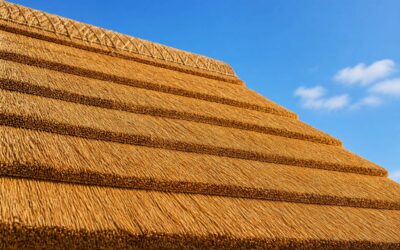
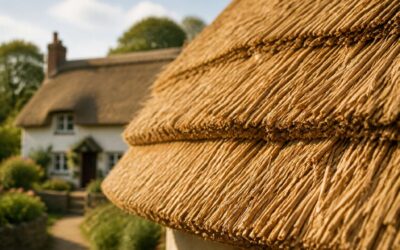
Traditional techniques center on long straw, careful layering, and communal know-how. Builders start at the eaves, laying windward courses in a tight, overlapping pattern. In thatching wheat, bundles are bound with natural twine, then trimmed and feathered for rain shedding. The result is a roof that ages gracefully!
Origins lie in ancient fields where grain storage and shelter were inseparable. Across agricultural communities, the craft traveled with migrations and exchanges, adapting to climate and grass. The practice remains a durable symbol of resilience in South Africa’s landscapes!
Key traditional techniques: hand binding, layering, and ridge construction
Some elder declares, “Every straw is a memory of the field,” and that memory still glints on South Africa’s thatched roofs. The craft unfolds not as a single act but as a patient dance—wind, sun, and season test each layer while the ridge keeps watch over the rain.
Three core techniques shape the craft—hand binding, layering, and ridge construction—each a hinge in the roof’s quiet resilience.
- hand binding
- layering
- ridge construction
From eaves to apex, these methods translate climate into shelter. The hand is steady, the layering breathes, and the ridge directs runoff with grace. Such craft—anchored in thatching wheat—ages with the sun and remains a durable symbol of South Africa’s rural beauty!
Regional styles and variations in wheat straw use
A across rural South Africa, thatching wheat roofs endure as weather diaries; in some regions, up to 20% of traditional homes still rely on this craft. An elder notes, ‘Every season writes a line on the roof.’ The history ties field to home, shaping skylines with a quiet resilience that sun and wind test year after year.
Regional styles and variations in wheat straw use mark the craft as it travels from Highveld heat to coastal damp.
- Highveld: dense, uniform thatch using mid-length straw for wind resilience.
- Karoo: shorter, tougher straw with stout bindings to withstand drought winds.
- Coastal belts: longer, pliable straw for rain shedding and a sun-bleached look.
That living heritage ties farms, towns, and voices together. This craft remains a durable symbol of rural South Africa’s identity and sustainability.
Advantages and limitations of historical methods
Traditional thatching in wheat is a patient chronicle of wind and season. Artisans bind, layer, and ridge with measured care, turning straw into a stubborn shield. Across South Africa, this craft threads farms to towns, a living diary of climate and community. This is the work of thatching wheat—an ancient dialogue between field and roof, a quiet history that endures rain and sun.
Historical methods favour local materials, good thermal mass, and a low carbon footprint, inviting repair rather than replacement. They demand maintenance and a workforce skilled in traditional handling; droughts or storms test patience, yet resilience remains their hallmark.
- Durability that grows tougher with each season
- Ease of on-site repairs with basic tools
- Breathable structure that regulates moisture
These qualities entwine craft and landscape, linking farms, towns, and memory. The rhythm of the old roofs continues to influence modern designs in a quiet, unmistakable manner.
Materials and Tools for Wheat Straw Roofing
Choosing high-quality wheat straw and moisture content
In the world of thatching wheat, quality isn’t glamorous but it’s gospel. The right materials set the tempo for a roof that lasts. A seasoned craftsman might say: “moisture is the seasoning; straw is the orchestra.” Now let’s talk about the essentials for a well-tuned roof.
Begin with wheat straw that is clean, uniform, and free of mold. Aim for a moisture content that won’t dribble off in a gust—roughly 12–18%. Store sheltered, off the ground, and away from pests so your thatching wheat behaves itself when it comes time to lay it down.
- Clean, pest-free bales with uniform stem length
- Moisture content checked with a meter (target 12–18%)
- Straw length around 0.5 m for even layering
- Hand protection and sharp shears for clean cuts
With these basics, your installation sings rather than squeaks, and the roof stays drier and sharper through seasons of wind and sun.
Binding materials and techniques for durability
Binding is the backbone of any thatching wheat roof, the quiet force that keeps beauty from buckling in the wind. In South Africa’s sun-soaked climes, the right binding materials resist rot and UV while letting the straw breathe. Waxed hemp or sisal cords ride alongside hazel spars or reed pins to anchor bundles with a soft, resilient grip. A veteran craftsman often says, binding is the rope that makes the sheath of straw a shield against rain and heat. The lesson: choose bindings that age gracefully with the grain, not fight it.
Here are the core components, chosen for durability and tactility:
- Waxed hemp or sisal cord for binding
- Tarred or waxed twine for weather resistance
- Hazel spars or reed pins as anchors
- Thatching needles, curved shears, and sturdy gloves
- Protective eyewear and a sharp knife for clean cuts
Together, these elements let the roof endure wind and sun with quiet resilience — the true mark of durable thatching wheat.
Essential thatching tools and equipment for craftsmen
Inside the quiet shed, tools speak in patient steel. In South Africa’s sun, thatching wheat is not only technique but a creed—every cut, every bundle, a vow to endure. The right materials meet the breath of the straw and the patience of the craftsman, turning common grasses into shelter that feels like a heartbeat.
Materials begin with sturdy straw and clean bundles, kept dry and ready to respond to the sun. The craft is patient; the tools are almost ceremonial in SA workshops where the craft is part memory and part livelihood.
Equally vital are the tools and implements that tame the harvest into a respectable roof.
- Thatching needle
- Curved shears
- Sharp utility knife
- Protective gloves
- Safety glasses
- Measuring gauge
With these materials and tools, the craft of thatching wheat stands resilient against wind and sun, a quiet testament to skill and reverence for the land.
Design, Structure, and Construction Details
Roof framing, deck, and underlayers for straw roofs
A roof that breathes can outlast hard weather and harsh South African sun, a punchy reminder that design governs endurance. In thatched architecture, design choices for thatching wheat balance airflow, light, and the grain’s natural sheen, creating a roof that ages gracefully while remaining part of the landscape.
Structure hinges on robust roof framing, a deck of evenly spaced battens, and underlayers that wick moisture without choking breathability. For thatching wheat, the design guides straw alignment through storms, while the deck supports inspection and resilience.
Construction details fuse craft with climate: joinery, lashings, and a breathable barrier shape a roof that ages gracefully. Every precision touch supports durability while preserving the straw’s soft sheen and natural warmth.
Layering patterns and binding sequences
Breathable roofs outlast hard weather by up to 20%, a statistic that lingers like a whisper in the eaves. For thatching wheat, design balances airflow, light, and the grain’s natural sheen, letting a roof age gracefully while remaining part of the landscape.
- Layering motif: a gentle fan inviting morning light.
- Layering motif: diagonal offsets tame gusts without crowding.
- Binding sequence: staggered lashings keep form under storms.
Structure anchors the design with a robust roof framing, a deck of evenly spaced battens, and underlayers that wick moisture yet breathe. The architecture guides straw alignment through weather, while the deck enables inspection and resilience.
Construction details fuse craft with climate: joinery, lashings, and a breathable barrier shape a roof that ages gracefully. Every touch preserves the straw’s warmth and sheen, while enduring durability speaks to the land.
Ridge caps, drainage, and waterproofing considerations
Storm-smart roofs whisper in the Cape wind, and I’ve seen ridge caps cut wind-driven seepage by nearly a third. In thatching wheat projects across South Africa, the hook is precision—designing for airflow, gravity, and the sun’s daily drift.
Design and structure align with ridge caps, drainage, and waterproofing considerations.
- Ridge cap geometry supports shedding rain and wind without creases that trap damp
- Integrated drainage channels ensure surface water flows away from joints
- Waterproofing membranes and breathable barriers work with thatching wheat to balance moisture
Construction details fuse craft with climate: joinery, lashings, and a breathable barrier shape a roof that ages gracefully. For thatching wheat, the deck and underlayers wick moisture yet breathe, guiding straw alignment through weather and inviting inspection points along the ridge.
Ventilation and moisture management in straw roofs
South Africa’s Cape winds regularly gust beyond 60 km/h during storm season, turning roofs into testaments of craft. When it comes to thatching wheat, design is about more than shade—it’s about airflow, gravity, and the sun’s daily drift.
Structure follows those forces: layers align to create air gaps, and materials are arranged to move moisture with gravity toward the eaves. A breathable barrier remains a quiet partner, balancing interior calm with a sun-warmed roofline!
- Airflow channels that pull moisture away from joints
- Gravity-driven drainage that guides water toward the eave
- Inspection access points along the ridge line for routine care
Construction details bind craft to climate: lashings, joints, and careful spacing let the roof age gracefully while staying alive to the weather. I’ve watched a skilled team coax straw to sing with light, wind, and rain, turning hardship into beauty.
Safety practices during installation and maintenance
Storm season across South Africa tests every rooftop more than storms ever could. In thatching wheat, safety-aware design becomes part of the craft, guiding crews through the day with calm, deliberate motions that breathe with the wind instead of buckling to it.
Installation and maintenance hinge on practical safeguards: anchor points, fall-arrest lines, and non-slip footwear keep feet sure on ladders and slopes. PPE such as gloves and eye protection protects hands when handling straw, while weather windows ensure work happens in stable conditions.
- Clear communication signals and buddy-system checks
- Proper rope and lashings rated for the loads
- Fire-safety protocols and extinguishers ready at ground level
- Tool management to prevent dropped strikes or tripping hazards
For these roofs, ongoing safety checks preserve performance under South Africa’s sun and gusts.
Modern Practices, Sustainability, and Maintenance
Code compliance, permits, and insurance considerations
In today’s climate of craft and care, thatching wheat remains a living art—sleek, practical, and stubborn against the weather. Modern practices weave precision with tradition: breathable layers, improved bindings, and weather-smart finishes that let a South African roof breathe without surrendering its shield.
Sustainability takes the crown, with local sourcing reducing footprint, straw as a renewable ally, and circular thinking that invites farm waste back to the soil; transport is minimised, and the community’s heritage flourishes with every resilient, low-impact roof!
Maintenance, code compliance, permits, and insurance shape the practical horizon: fire safety, regular inspections, and meticulous record-keeping guard the grain of the roof; verify permits with local authorities and secure tailored builder’s risk coverage for peace of mind.
- Permits from local authority
- Fire, liability, and builder’s risk insurance
- Documentation and routine maintenance schedule
Sustainability: sourcing, renewables, and lifecycle of materials
On South Africa’s sun-baked ridges, thatching wheat stands as a quiet rebellion against disposable fashion. Modern practices fuse precision with pedigree: breathable layers, refined bindings, and weather-smart finishes that let a roof breathe without surrendering its shield. It’s craft that ages gracefully, like a good hat: necessary, stylish, and stubbornly resilient.
Sustainability takes the crown, with local sourcing trimming transport miles and straw serving as a renewable ally. Circular thinking invites farm waste back to the soil, while lifecycle-minded choices extend roof life and community pride. In a country where droughts meet heritage, this is sustainability embodied in the grain.
Maintenance sustainability matters: even the sturdiest roofs demand vigilant care—moisture management, periodic binding checks, and repairs that respect the grain. A well-kept straw roof is a chapter of time: efficient, durable, and deeply rooted in the land.
Maintenance schedules, repairs, and renewal strategies
Modern Practices: On South Africa’s sun-burnished ridges, thatching wheat meets modern discipline with lyrical precision. Breathable layers, refined bindings, and weather-smart finishes let a roof breathe yet stay shielded. “Thatch is poetry you stand on,” a master thatcher reminds us. I see it as more than craft—it’s a resilient, elegant shelter that ages like fine leather.
Sustainability: Local sourcing trims transport miles, and straw becomes a renewable ally. Circular thinking returns farm waste to soil, while lifecycle-minded choices extend roof life and community pride. Homegrown straw mirrors the season’s grain and the land’s patience.
Maintenance: Routine schedules, careful repairs, and renewal strategies keep the canopy singing through the years.
- Moisture stewardship and ridge-cap integrity
- Binding integrity and periodic inspection
- Renewal planning in sync with harvest cycles


0 Comments