Thatching Basics for Grass
What is Grass Thatching and Its Benefits
Grass roofs are windows to the sky and memory. Across South Africa, thatching of grass has sheltered homes through blistering summers and soaking winters for centuries. “Grass is a living roof,” a master thatcher likes to say, “it breathes with the day and makes a home feel honest.”
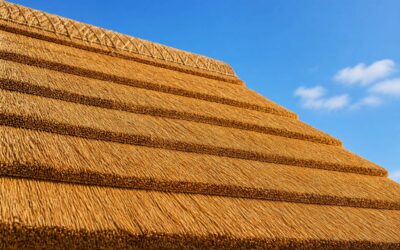
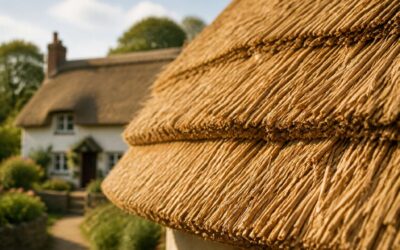
At its core, thatching of grass is about selection, layering, and balance. The stems are dried and laid in overlapping bands, creating a dense yet breathable cover that huffs away heat in glare and keeps warmth in when cold winds rise. When well crafted, a thatched roof carries the scent of earth and a story in each wind-blown ripple.
- Local grasses chosen for climate resilience
- Overlapping courses that shed rain and sun
- Ridge work that crowns the silhouette
For designers and homeowners in South Africa, this living roof offers sustainability and craft, inviting wonder.
Choosing the Right Grass Varieties for Thatch
Thatched roofs across South Africa tell a weathered story, and the right grass varieties are the hinge. A well-chosen thatching system can cut indoor heat in peak summers by up to 30%. For thatching of grass, selecting the right species is the hinge, and it begins with how the plant tolerates sun, wind, and damp. Native options like Themeda triandra, known as red grass, offer sturdy stems and breathable mats that endure decades.
Choosing grass varieties for thatch requires weighing traits beyond color. The criteria include climate resilience, stem strength, leaf blade length, and growth habit. A dense, long-blade cover yields better insulation and rain shedding; regeneration keeps the roof honest through the seasons.
- Climate resilience and drought tolerance
- Stem strength and leaf blade length
- Establishment speed and long-term maintenance
In the South African landscape, selecting the right grass varieties for thatch fuses climate wisdom with craft.
Essential Materials and Tools for Grass Thatching
A well-chosen thatching system can cut indoor heat in peak summers by up to 30%, a statistic that keeps SA roofs comfortable and energy bills gentler under glare and wind!
In this craft, thatching of grass hinges on materials that endure sun, wind, and damp—the fabric of longevity for SA roofs.
Essential materials span robust grass bundles, natural binders, and a breathable underlay, each chosen to withstand seasonal shifts without sacrificing airflow.
- Thatched grass varieties suited to SA climates
- Natural binder twine and binding tools
- Thatching knife or sickle for shaping
- Gloves, protective eyewear, and ladders
- Breathable underlay or damp-proof membrane
That blend of craft and climate sense speaks to a patient, weatherwise art.
Planning and Safety Considerations Before You Start
In the South African sun, a roof thatches with grace breathes cooler air into a room. The dropping of indoor heat by up to 30% isn’t magic; it’s the result of thatching of grass working with wind, shade, and resilient fibres.
Before you start, read the sky and the roof as one manuscript. Wind direction, sun exposure, and seasonal dampness inform the pace and pattern. From ground level, assess structure and hazards with quiet caution.
- Weather patterns and wind direction
- Roof structure and decay checks
- Overhead hazard awareness
- Personal protection considerations
Thatching of grass is a patient, shadow-haunted craft. Plan with the seasons, respect the materials, and let the rhythm of the blades guide your work in a land of heat and wind.
Preparing Your Space for Grass Thatching
Site Assessment: Drainage, Soil, and Sunlight
Across South Africa, a well-prepared site can double the life of your roof. When drainage is clear and sun exposure is balanced, thatching of grass performs at its best. It’s about groundwork, not guesswork.
Drainage defines resilience. Avoid water pooling near supports; look for a gentle slope that sheds rain and dries quickly. In this stage, even small puddles invite rot and mildew.
Soil beneath must be stable and well-drained. Loose, muddy ground shifts with rain and stresses the structure. Healthy soil supports airflow and keeps moisture away from the base of the thatch.
Sunlight and wind shape curing and longevity. In South Africa, sun angles test exposure across seasons; choose spaces with steady light and minimal prolonged shade. This balance helps longevity.
Seasonal Timing and Weather Windows
Seasonal timing can dramatically extend the life of a grass roof—”Timing is everything,” as a veteran thatcher puts it. In the South African climate, the right stretch of days balances dryness, wind, and sun, letting the thatching of grass settle rather than sag. It’s not magic; it’s timing with the season. A good window can feel like luck!
Calm, dry days with moderate sun are ideal. Watch for pockets of rain that linger in low-lying areas and for sudden gusts that can loosen new growth. These windows can open and close quickly, so light-hearted patience helps.
- Dry spells with low humidity
- Light to gentle winds to avoid disruption
- Stable temperatures that won’t cause rapid drying or cracking
Seasonal timing and awareness of weather windows keep the project efficient and respectful of the site. When the climate agrees, the work can breathe, and the roof can mature with resilience.
Soil Preparation and Groundwork
The best roofs begin on solid ground. In South Africa’s sun-burnished landscapes, a space that breathes can extend the life of your grass roof by years. Ground-first thinking isn’t romance; it’s practical craft. The thatching of grass starts long before the first tuft is laid, when the site offers drainage, stability, and open light.
Soil preparation and groundwork set the tone. Assess soil texture, drainage pathways, and compaction; these choices influence how the roof settles. When soil invites water to move away from the eave, the roof breathes rather than sags, and thatching of grass can mature with resilience.
Consider these factors:
- Drainage patterns and soil moisture management
- Soil stability, compaction, and surface texture
- Sun exposure and wind direction to guide site clearing
With space prepared, the grass roof can breathe, truly anchoring its beauty in a quiet, patient craft.
Permits, Zoning, and Local Regulations
Permits, zoning, and local rules loom like distant thunder over a grass-thatched roof. In South Africa’s red-lit horizons, the space you prepare isn’t just empty—it’s a law-fed stage where thatching of grass finds its breath. A scarred but steady truth from the council chambers: regulation protects both heritage and roofs alike, turning a fragile patchwork into a shelter that endures. “Regulation is the wind that names the roof before the roof names you,” a haunting line that gives the craft its quiet, iron spine.
Consider these regulatory echoes that shape your project:
- Permits and approvals by municipal or provincial authorities
- Zoning and land-use constraints that influence setbacks, height, and materials
- Heritage status and conservation by-laws that may apply to traditional thatching
As you map the future eaves, let the regulations be your compass and the thatching of grass your quiet rebellion against time.
Techniques and Methods of Grass Thatching
Traditional Thatching Techniques
Thatching of grass is a living archive, and in South Africa it still covers roofs that whisper of storms survived and suns softened by time. The wind seems to measure its age, and homeowners know that method matters as much as material. Traditional techniques vary by wind and thatch density, yielding durable, breathable shields against the elements.
- Layering for density and insulation
- Binding with natural cords and twine
- Ridge finishing to shed rain
These avenues of craft give roofs character and resilience, aging with grace and vigilance as seasons turn.
Modern Tools and Mechanisms for Thatching
A telling statistic whispers across South Africa: roughly 40% of rural homes still wear roofs of thatching of grass, a living archive that breathes with the weather. The method matters as surely as material, and modern hands honor the past while leaning into precision. Techniques now blend density, airflow, and rain-shedding craft, balancing the ghost of tradition with the cadence of contemporary workmanship.
Modern tools and mechanisms sharpen the craft without stealing its soul. For the steady hands of the roofer, streamlined aids replace guesswork and fatigue. Consider these aids: In the workshop, I watch the needles glide with the patience of a cathedral and the rhythm of a heartbeat.
- Electric or pneumatic thatching needles for consistent ribboning
- Adjustable-tension binding reels to secure dense layers
- Ridge-cap finisher tools that sculpt the peak to shed rain
Together, these methods sustain a roof’s character while granting durability against the elements.
Layering, Sizing, and Thatch Thickness
Across South Africa’s sunlit plains, the rhythm of a well-layered roof speaks to the seasons. A well-tuned thatching of grass can shed rain more reliably when the thickness stays steady—roughly 20 to 25 cm from eave to crown—keeping the interior dry through shifting winds.
Layering begins with a sturdy base mat, followed by mid-layers and a finishing top. Sizing means trimming each blade to uniform lengths so overlaps seal the weave and promote airflow. The goal is density that breathes: too thick a block slows drainage; too sparse invites leaks.
- Base layer: coarse blades laid to even density
- Mid-layers: offset seams to avoid straight lines
- Top layer: lighter, tightly bound to shed rain
Finish with edge work and ridge caps to hold the look together. I measure thatching of grass thickness as I work, using a simple gauge to keep the 20–25 cm target consistent from eave to peak, so the roof preserves its character while standing firm against the weather.
Joining, Fastening, and Waterproofing
The art of thatching of grass thrives on three moving parts: joining, fastening, and waterproofing. In a region where wind can rearrange a sturdy weave, the join must hide the ridge while staying strong. Think of it as quilting with sunlight—tight seams, staggered courses, and a rhythm that keeps rain guessing. SA roofs appreciate the craft.
Here are core approaches:
- Joining: stagger seams and lock courses with simple knots to keep the weave continuous from eave to crown.
- Fastening: bind with natural cord or lightweight wire at measured angles to resist wind uplift and maintain blade alignment.
- Waterproofing: cap the top with a denser layer, taper edges for drainage, and ensure overlaps shed moisture rather than trap it.
With these methods, the roof breathes and stays weather-tight—a balance South African builders prize when sun and rain trade blows.
DIY Approaches vs Professional Craftsmanship
“A roof that breathes with the wind is born of discipline,” a seasoned thatcher says. The craft of thatching of grass is a conversation between hand and blade, sun and shelter. In this dance, rhythm becomes rule, and every bundle carries memory.
DIY approaches offer immediacy and learning by doing; professional craftsmanship brings precision and resilience—two sides of the same craft.
- DIY: flexible pace, lower upfront costs
- Pro: layered accuracy, wind resistance
Both paths honor a roof that rests easy when rain falls and sun blazes. South Africa’s climate demands patience, trust, and a shared devotion to texture—DIY and pro work unite, this craft as shelter and story.
Maintenance, Longevity, and Aftercare
Regular Inspections and Thatch Dressing
With proper care, thatching of grass roofs in South Africa can endure 25–40 years, a testament to craft and climate. Maintenance becomes a seasonal ritual, guarding beauty and performance against sun, rain, and wind’s assault.
Regular inspections act as your frontline defense. Look for damp patches, moss, or loose patches; check thatch thickness and the integrity of waterproofing near joints.
- Moisture, rot, and insect damage in the lower layers
- Evenness and depth of the thatch surface
- Joints, seams, and waterproofing integrity
Thatch dressing refreshes the outer layer, restoring shedding and insulation. In South Africa, a measured addition of fresh thatch, brushed into the mat, rejuvenates the roof without overburdening it.
Aftercare for longevity means trimming surrounding vegetation, monitoring drainage, and keeping gutters clear. By maintaining a gentle rhythm of care, you protect your investment and keep thatching of grass looking timeless, almost supernatural in resilience.
Repairing Damaged Sections and Re-dressing
Maintenance for thatching of grass is a quiet vigil—a seasonal ritual that keeps angles sharp and rain from slipping in. In South Africa’s harsh sun and sudden downpours, the roof’s longevity rests on steady care rather than luck, a stubborn, almost supernatural endurance that reveals itself year after year.
Repairing damaged sections and re-dressing maintain the roof’s breath and shelter.
- Moisture balance and drainage
- Thatch integrity and surface evenness
- Joints, seams, and waterproofing
Aftercare reinforces longevity: trim surrounding vegetation, monitor drainage, and keep gutters clear to prevent water pockets. By sustaining this gentle rhythm, thatching of grass stays timeless, enduring sun, rain, and wind.
Seasonal Maintenance Schedule
A quiet ritual, maintenance steadies a thatched roof through seasons of sun and rain. The practice rewards patience with a shelter that breathes and endures, a decision rather than luck. In South Africa, thatching of grass asks for a steady rhythm—one that feels like a heartbeat rather than a checklist—and yields a roof that ages with quiet dignity.
Longevity emerges when a seasonal maintenance schedule guides attention. A cadence lets you hear small shifts before they become leaks, preserving the roof’s character and function.
- Spring: inspect crown vitality, fresh growth, and airflow
- Summer: clear debris after storms, monitor heat exposure
- Autumn: assess density and plan adjustments
Aftercare becomes a living practice: gentle landscape management around the ridge, ensuring water drips never pool, and inviting the roof to tell its weather story year after year.
Protecting Thatch From Pests, Weather, and Decay
In South Africa, a well-tended thatching of grass roof can endure decades, a quiet testament to craft that breathes with sun and rain rather than bowed by fashion. Maintenance steadies the surface, preserving crown vitality, airflow, and the roof’s aged grace against the rigors of climate and time.
Longevity unfurls when a seasonal rhythm guides attention; I have seen a listening cadence let us hear subtle shifts before leaks spider in, preserving the roof’s character and function as it ages, quietly dignified and resilient.
Aftercare becomes a living practice: around the ridge, the landscape breathes softly, guiding water away so drips never pool and the roof tells its weather story year after year.
- Pests: vigilance against creeping colonies
- Weather: guarding sun, wind, and moisture exposure
- Decay: monitoring mould and humidity balance
Cost, Sustainability, and Contractor Guidance
Cost Factors, Budgets, and ROI
Cost, budgets, and ROI animate every decision in the craft of thatching of grass. The upfront tally depends on roof area, fibre grade, and site access, while the longer view rewards durability and reduced upkeep. When measured against seasons of shelter and climate comfort, ROI becomes a quiet, enduring score!
Sustainability is the true compass. Local grasses, minimal processing, and mindful harvesting cut waste and carbon footprint. A sustainable approach pairs beauty with responsibility, ensuring thatch ages gracefully and supports regional ecosystems against South Africa’s sun and rain.
Contractor guidance cost factors and budgeting must be weighed with respect to quality, warranty terms, and safety records.
- Local climate experience
- Material sourcing and warranty clarity
- Transparent labour rates and timelines
- Permit, zoning, and insurance compliance
Such diligence preserves the roof’s integrity and the client’s peace of mind across decades.
Insulation, Energy Efficiency, and Comfort Benefits
Costs for thatching of grass carry a quiet complexity: the upfront price tag reflects roof area, fibre grade, and how easily materials reach site. In the long arc of a roof’s life, durability and reduced upkeep convert budgeting into a steady ROI as seasons turn!
Sustainability flows from locality: using native grasses, minimal processing, and mindful harvesting lowers waste and carbon footprint. A well-chosen thatch ages gracefully, guarding both home and regional ecosystems against South Africa’s sun and rain.
Contractor guidance on insulation and energy efficiency matters. In my experience, a thoughtful contractor can align thatch with an envelope designed for comfort and savings, turning a shelter into a warm, breathable living space that endures!
- Thermal performance that complements the thatching
- Moisture management and breathability
- Consistent interior comfort and reduced energy use
Sustainability Considerations and Eco-Friendly Materials
In SA summers, a roof that breathes can slash cooling costs and extend life. ‘A roof that breathes is a home that lasts,’ says a master thatcher. For thatching of grass, the upfront price reflects roof area, fibre grade, and how quickly materials reach site. Yet in a roof’s long arc, durability and reduced upkeep turn budgeting into steady ROI.
Sustainability flows from locality: native grasses, minimal processing, mindful harvesting shrink waste and carbon. A well-chosen thatch ages gracefully, guarding home and regional ecosystems against South Africa’s sun and rain.
- Native grasses from nearby ecosystems
- Minimal processing to reduce energy use
- Mindful harvesting to protect livelihoods and biodiversity
Contractor guidance on insulation and energy efficiency matters. A thoughtful contractor can align the thatch with an envelope designed for comfort and savings, turning a shelter into a warm, breathable living space that endures!
How to Hire a Contractor: Quotes, Portfolios, and References
Cost is a nuanced equation for thatching of grass. The upfront price reflects roof area, fibre grade, and how quickly materials reach site, yet durability and reduced upkeep convert budgeting into lasting ROI.
Sustainability flows from locality: native grasses, minimal processing, mindful harvesting shrink waste and carbon. A well-chosen thatch ages gracefully, guarding home and regional ecosystems against South Africa’s sun and rain.
Contractor guidance on insulation and energy efficiency matters. How to Hire a Contractor: Quotes, Portfolios, and References.
- Quotes
- Portfolios
- References


0 Comments