Overview of thatch roofing in Durban
What is thatch roofing and its appeal
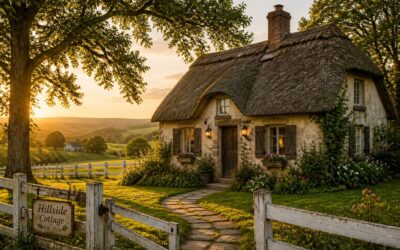
In Durban’s climate, a roof is more than shelter—it’s a living breath that shapes comfort and character. Thatch roofing, crafted from dried reeds and grasses, is a timeless choice. Its layered ribs trap air, offering natural insulation and a soft, inviting silhouette that ages gracefully with the sea wind!
thatch roof durban blends artisanal heritage with coastal practicality. The material breathes, sheds heat in sweltering summers, and sheds rain with a forgiving, slightly elastic thatch. For homeowners, this means cooler interiors, lower energy use, and a warm, organic presence that softens modern architecture.
- Natural ventilation and thermal stability
- Lightweight structure reducing load on framing
- Distinctive, coastal aesthetic
Maintaining this roof is a ritual of renewal rather than repair—hand-cut materials, occasional replastering of ridge caps, and a respect for local craftsmanship. It invites social reflection: a community craft linking past and present, sea breeze and sun.
Durban climate suitability for thatch roofs
In Durban, climate and charisma go hand in hand, and the thatch roof durban is a quiet, stylish ally. A seasoned local craftsman quips, “Coastal air, not compromise,” and the line sticks. The roof’s layered reeds trap air, cooling interiors in summer while offering forgiving resilience during the rains, aging with a sun-kissed patina.
Its climate suitability stems from a gentle balance: lightness on the frame, natural ventilation, and a silhouette that welcomes the sea breeze without shouting for attention. For homes facing the coast, thatch provides dependable performance while maintaining a warm, organic character that remains comfortable year-round.
Heritage, aesthetics, and cultural significance
In Durban’s coastal tapestry, the thatch roof durban is less a roof and more a living archive. The weave of reed and sun tells stories of artisans, markets, and a coastline that refuses to be ordinary. In heritage precincts, these structures endure as symbol and shelter, aging gracefully with a sun-kissed patina and a gentle nod to tradition!
Aesthetics speak softly here, balancing texture, silhouette, and culture’s hand. See how lines breathe with the sea breeze and how the roof’s warm tone ties homes to the sand and sky.
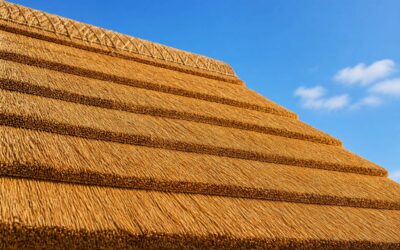
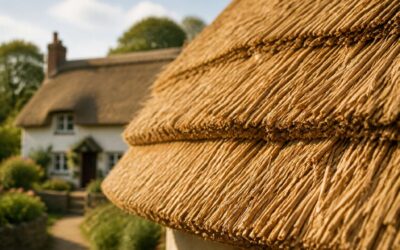
- Layered textures that catch light and shadow
- Soft, organic silhouettes that invite sea breezes
- Cultural continuity, passed down through hands and skills
These visuals communicate more than form; they signal a place’s respect for craft, community, and climate. Durban’s rooflines thus become a conversation starter, a badge of identity that remains practical and poetic!
Common materials used for thatch roofs in Durban
Durban’s coastal air shapes more than facades; it determines how a roof breathes. “thatch roof durban” is a living archive of craft and climate, a threshold between sea and living room. Each reed and grass blade carries a fingerprint of the maker, the season, and the weather it tames. In this city, the material choice matters as much as the silhouette, turning a simple shelter into a conversation between tradition and light.
Common materials used for thatch roofs in Durban include:
- Reed (dried stalks) for a dense, watertight thatch
- Thatching grasses from local coastal flora for flexibility and airflow
- Natural binders and lashings to secure layers and extend life
Choosing the right mix depends on roof pitch, rainfall, and the home’s orientation to the sea breeze. Durban’s climate guides the weave, and the result is a shelter that blends resilience with a sculptural silhouette.
Cost considerations and budgeting for a thatch roof
Durban basks under a humid sun and the sea’s breath; last year the city logged roughly 1,000 millimetres of rain, a storm-woven test for any roof. The thatch roof durban is a living skin, a shelter that whispers with the wind and ages with the tide. Costs rise and fall with craft, climate, and care, yet the payoff is a silhouette that holds light like a secret.
Budgeting for thatch requires mapping both the craft and the clock. In a coastal climate, unforeseen rain, wind, and moisture influence longevity and maintenance cadence. Plan for a replacement cycle, periodic re-lashing, and seasonal check-ups. Costs can be grouped as:
- Initial materials and skilled thatching labour
- Roof pitch, thickness, and maintenance cadence
- Durability, waterproofing, and insurance implications
Durban thatch roof installation best practices
Choosing the right thatch material (sugar cane, reeds, or palm)
Durban’s sun-kissed air invites a thatch roof durban—a living poem of shade, breeze, and time-honored craft. When the layers breathe freely and the ridge is sealed, indoor cooling can soften on the hottest days, turning a hot room into a sanctuary of calm.
Choosing the right thatch material (sugar cane, reeds, or palm) shapes texture and weather resilience.
- Sugar cane: dense, durable, and traditionally lush; ideal for long-lasting roofs when layered properly.
- Reeds: light and quick to renew; excellent rain shedding with careful binding.
- Palm: resilient in heat and wind; iconic silhouette, though maintenance and pest considerations matter.
Best practices for installation emphasize a breathable underlay, secure binding, and routine maintenance to preserve fire resistance and rain shedding while keeping the magic intact.
Structural requirements and roof framing recommendations
Durban’s heat loves a roof that breathes. A master whispers, “The thatch roof durban is a living canopy that responds to wind and sun.” The frame must cradle air and rain, not merely bear weight.
Structural requirements demand load-bearing timber, rafters spaced to suit the thatch’s bulk, and a ridge beam sealed against moisture. A pitched angle of 25–30 degrees helps rain shed and wind bite. Bindings should be corrosion-resistant while the frame stays ventilated.
- Rafters and bearers with proper slope
- Purlins to support thatch thickness
- Ridge beam with weather seal
- Breathable underlay to manage humidity
This approach preserves the craftsmanship of the thatch roof durban aesthetic, delivering safety and longevity under Durban skies.
Underlay, waterproofing, and drainage solutions
Durban’s sun demands more than beauty; it demands breath. I have learned that when installing a thatch roof, the underlay must partner with the roof’s life cycle—wet and dry, heat and wind—without suffocating either the material or the spirit of the building.
- Breathable underlay maintains humidity balance
- Discreet waterproofing blocks capillary rise
- Efficient drainage channels guide rain away
For thatch roof durban, waterproofing is a quiet pact between tradition and modern science! In practice, the drainage philosophy leans on gravity, not force, letting rain shed off the slope while the roof breathes.
Safety measures, permits, and Durban building codes
Durban’s breeze doesn’t tolerate half-measures—neither should your roof. A thatch roof durban, when installed with care, behaves like a living canopy: light yet steadfast, breathing with the day. It’s drama you can feel—and safety is the quiet encore that keeps the show on stage.
Safety measures and permits are not afterthoughts; they’re part of the design. Hire licensed installers, use fall protection and PPE, and treat the underlay with fire retardants. Submit plans to the Durban municipal building department, secure approvals, and pass inspections to prove your thatch roof durban respects the code.
A quick check keeps the process honest. Compliance remains the visible badge of care.
Done right, the result isn’t just a roof—it’s a signature of South African craft meeting modern safeguards.
Selecting a skilled installer and timeline expectations
Durban’s weather tests roofs daily—roughly 1,000 mm of rain each year. A well-installed thatch roof durban stands up to sun and storm with quiet reliability. The trick is balance: a roof that breathes while staying steadfast.
Choosing a skilled installer shapes the timeline and the finish. Elements that indicate capability include licensing and insurance, a demonstrable track record on thatch projects, and credible warranty and maintenance promises.
- Licensing and insurance
- Demonstrated Durban project experience
- Warranty and maintenance commitments
From planning to approval to the finish, timelines hinge on permit queues and weather windows. Realistic expectations keep the project on track and protect the craft.
Maintenance, repairs, and longevity of thatch roofs in Durban
Regular inspection schedules and maintenance horizons
Durban’s sun writes a bright, enduring poem on thatch roof durban, and with patient care it can outlast fads. A well-tended thatch roof can endure 25 to 30 years, aging with grace like seasoned timber.
Regular inspection schedules and defined maintenance horizons are the quiet heartbeat of longevity.
- Regular inspections every 6–12 months to catch wear early
- Seasonal checks tuned to Durban’s heat and humidity
- Targeted repairs to isolated damage to protect the roof’s whole life
When repairs are needed, skilled thatchers who match the material and weave ensure longevity isn’t compromised by haste. In Durban’s climate, patience and care sustain beauty and performance for decades.
Preventing moss, mold, and water ingress
Durban’s sun writes a bright, unwavering poem on a thatch roof. But the muse favors the patient craftsman. A well-tended roof can endure 25 to 30 years, aging with grace as it shrugs off heat and humidity rather than boiling under them, a testament to thoughtful maintenance and respect for the weave.
- Gutter integrity and drainage shape the roof’s defences against moisture, especially in Durban’s rainy seasons
- Accumulated debris invites moss and mold; a mindful maintenance rhythm keeps the roof breathing
- Ridge seams and seals are your first line against water ingress and slow deterioration
Repairs must be done by skilled thatchers who match the material and weave. For thatch roof durban, patient, precise fixes preserve life and beauty; a rushed patch invites rot and repeated costs.
Repairing damaged thatch layers and patchwork strategies
In the language of thatch, repairs write a durable future. When the layer beneath shows wear, patient patchwork becomes less a repair and more a promise. A well-tended roof can outlive haste, especially in Durban’s climate, where roofs speak through wind, sun, and rain. For thatch roof durban, the measure of longevity rests on disciplined renewal and tasteful restraint.
When damage appears, a methodical approach preserves the weave:
- Assess damage and remove worn thatch.
- Replace with matching material and weave.
- Secure and compact patches to blend with the roofline.
Longevity is built on consistency: schedule follow-up inspections, ensure proper aftercare, and trust skilled thatchers who respect the craft. Patchwork done with care slows rot and preserves beauty, turning a potential liability into lasting memory of craftsmanship!
Pest control and fire safety considerations
A Durban thatcher quips, ‘A roof isn’t a cap; it’s a conversation with the rain.’ Maintenance isn’t glamorous, but it’s the weatherproofing you pay with time. For thatch roof durban, care breeds longevity.
In this climate, moisture, sun, and wind demand vigilance. Durban pest control realities require periodic checks rather than dramatic rescues. A well-tended roof breathes, dries after rain, and resists rot.
Here are broad considerations that teams weigh:
- Pest control measures and vegetation clearance around the roof line to reduce access for insects and birds.
- Ember and spark risk awareness from nearby fires, chimneys, and braais with appropriate clearance and screening.
- Regular professional inspections by skilled thatchers to maintain weave integrity and drainage paths.
Seasonal maintenance tips tailored to Durban climate
Durban’s skies pour down approximately 1,000 millimeters of rain yearly, and a thatch roof durban becomes a living diary of the weather. Not mere shelter, it is a conversation with rain and wind, a craft that ages with grace and memory!
Maintenance there thrives on measured seasons rather than dramatic rescues. After heavy spells, I notice the roof dries; in bright spells it settles into a sunlit patina. Vigilance keeps moisture at bay and longevity within reach.
Longevity comes from deliberate craft—the right material, faithful weaving, and respect for the subtleties of heat and humidity. Subtle repairs by seasoned hands preserve the roof’s breath and silhouette, letting it weather Durban’s rhythms for decades.
- Seasonal rhythms whisper when attention is due
- Visible wear previews the roof’s next chapter
- Moisture, sun, and wind become allies under careful stewardship
Cost factors, ROI, and value of thatch roofs in Durban
Material costs, sourcing options, and lead times
Cost factors for a thatch roof durban revolve around upfront material costs, skilled installation, and long-term maintenance. Local sourcing can trim transport expenses and lead times, while premium finishes boost durability and aesthetic appeal, enhancing resale value in a market that cherishes warmth and tradition.
- Local Durban suppliers and cooperatives for shorter lead times and lower transport costs
- Reputable thatch craftspeople who can match material type to your roof design
- Material options (sugar cane, reeds, or palm) with varying costs, durability, and availability
Lead times vary by material—sugar cane, reed, or palm—and by supplier’s current backlog, with weather windows shaping schedules. The ROI becomes evident over decades as energy savings, reduced cooling needs, and strengthened curb appeal compound, providing real value to Durban homes and heritage properties.
Labor, installation timelines, and project management
For thatch roof durban projects, upfront material costs, skilled installation, and long-term maintenance shape the budget. In Durban, success hinges on experienced crews, precise sequencing, and reliable supply chains that reduce surprises. A thoughtful plan coordinates procurement with weather windows and protects long-term durability.
- Clear scope and phased installation
- Weather-window planning
- On-site supervision and quality checks
ROI shows up over decades: energy savings, reduced cooling loads, and stronger curb appeal translate into value for Durban homes and heritage properties. Solid project management keeps timelines realistic and predictable, minimizing disruption, and preserving comfort throughout the build.
Insurance implications, warranties, and aftercare plans
Durban homes with a thatch roof durban blend heritage charm with modern comfort. Upfront material costs and skilled installation shape the budget, but the long arc of energy savings and curb appeal adds real value. When a system is well-sealed and correctly sequenced, cooling loads drop and the home feels more comfortable. A Durban pro notes, climate and craft align for durability, and thatch roofs endure with proper care and attention.
- Insurance implications: fire risk profiles, premiums, and the need for certification and maintenance records
- Warranties: coverage for materials and workmanship, terms, and what voids the contract
- Aftercare plans: regular inspections, moss control, and timely repairs to extend service life
In Durban, lenders and insurers increasingly value documented maintenance. A solid aftercare plan protects heritage value and keeps homes comfortable for decades.
Resale value, curb appeal, and long-term ROI
Cost factors for a thatch roof durban go beyond the upfront outlay. Material choices, sourcing lead times, and skilled installation shape the budget, but the long-term payoff isn’t limited to aesthetics. A well-chosen roof can boost curb appeal and, over time, lift resale value and overall ROI. It’s a durable asset that carries heritage into modern life in Durban.
Consider these value levers that compound over time:
- Resale value premium
- Curb appeal that sells
- Durability and lower replacement costs
Overall, resale value, curb appeal, and long-term ROI are the measurable returns of a thoughtful thatch roof durban investment. In Durban’s market, heritage paired with practical durability generates lasting financial and emotional worth.
Choosing the right contractor and quotes for thatch roofs in Durban
Questions to ask a thatch roofer before hiring
Durban’s climate tests every roof, and the right contractor makes the difference for a thatch roof durban project. Look for someone who blends craft with clear communication, respects your budget, and explains the work in plain language you can follow.
Ask these questions to gauge fit:
- Are you licensed and insured to work on a thatch roof durban?
- Can you show recent Durban projects and client references?
- What materials and underlays do you recommend for our conditions?
- What is the proposed timeline and payment schedule?
- Do you offer a warranty and aftercare plan?
Requests for quotes should be transparent: ask for itemized estimates, scope of work, and contingencies. Compare at least two quotes to understand value rather than price alone, and verify who handles permits, safety, and site cleanup.
Reviewing portfolios, references, and past projects
Choosing the right contractor for thatch roof durban is about trust, craft, and honest conversation from the draftsman’s desk to the ridge cap. A portfolio of recent Durban projects and warm client references speak louder than glossy brochures, showing how a team handles weather and maintenance. The best builders blend traditional thatching with clear, plain-language plans.
Reviewing past projects reveals consistency—the finish, underlays, and how weather is handled in Durban’s climate. A clear quote shows scope and responsibilities, and comparing a couple of examples helps eye value over price alone.
Ultimately, you want a partner who blends craft with empathy for your home’s story. A contractor who answers questions with patience and speaks in plain language can turn a thatch roof durban into a lasting feature.
Site assessment, measurements, and obtaining accurate quotes
Contract terms, maintenance agreements, and aftercare services
Choosing the right contractor isn’t just about price; it’s about trust, timelines, and accountability. For thatch roof durban, the partner you select shapes every milestone—from design to dust-off—and a clear quote sets the pace with precision.
Contract terms should spell out scope, materials, and contingencies. Maintenance agreements and aftercare services determine long-term performance, not just beauty. I’ve learned that the difference between lasting peace of mind and recurring headaches is a well-structured agreement.
Key elements to lock in include:
- Scope of work and approved materials
- Payment schedule, milestones, and change orders
- Warranty, maintenance obligations, and aftercare support
Obtain multiple quotes, verify references, and agree on timelines and dispute resolution. This careful scrutiny saves both money and morale when weather shifts and roofs age.
Navigating local regulations, permits, and approvals in Durban
Durban’s annual rainfall—roughly 1,000 mm—tests every thatch roof durban. Choosing the right contractor is about trust, timeliness, and accountability—far more than a price tag. For thatch roof durban, seek a partner who offers a transparent quote, a clearly defined scope, and realistic milestones! Request local references and a quick site assessment to see how moisture, wind, and thatch will be managed.
Navigating Durban’s regulations and permits requires a team that speaks the language of local codes. A diligent contractor will handle permit applications, align with building control, and maintain tidy records for inspections. The right quotes reflect not only price but compliance, reliability, and accountability, ensuring a seamless journey from design to dust-off.

0 Comments