Understanding R-Value and Its Importance in Roofing
What Is R-Value? – Definition and significance of R-value in building insulation
In the realm of sustainable construction, understanding the intricacies of R-value becomes essential, especially when considering the unique qualities of a thatch roof. R-value, in its essence, measures the thermal resistance of insulation materials—how effectively they can impede heat transfer. It’s a silent guardian against the relentless South African sun or the chill of winter, ensuring that indoor comfort remains steadfast and unyielding. When contemplating thatch roof R value, it’s not merely about insulation; it’s about capturing an age-old harmony between nature and architecture.
What makes R-value particularly captivating is its layered complexity. It’s not solely a numerical figure but a reflection of a material’s ability to trap air and slow the movement of heat. Thatched materials, with their dense interwoven stalks, naturally boast impressive R-values—often surpassing traditional roofing options. In fact, the thatch roof R value can vary, yet its innate insulating properties are often underestimated. For architects and homeowners alike, recognizing this balance of natural insulation prowess can transform perceptions of what a traditional roof can achieve.
Why R-Value Matters for Roofs – Impact on energy efficiency, insulation performance, and climate control
In the grand tapestry of sustainable architecture, understanding the significance of R-value is akin to deciphering the secret language of warmth and coolness. The thatch roof R value, in particular, holds a mystical allure—its natural capacity to insulate is often underestimated yet profoundly effective. This ancient roofing marvel acts as a living barrier, whispering tales of centuries-old harmony between nature and human shelter.
Why does thatch roof R value matter so deeply? It influences the very essence of climate control within a building—dictating how well it resists the relentless South African sun or the biting winter chill. High R-values in thatched roofs mean less reliance on artificial heating and cooling, translating into significant energy savings and a more sustainable footprint. This is especially vital in regions where climate variability demands resilient insulation.
- Enhanced energy efficiency
- Reduced environmental impact
- Superior thermal comfort year-round
By appreciating the natural insulating prowess of thatched materials, architects and homeowners can unlock a treasure trove of thermal performance, transforming traditional rooftops into bastions of comfort. The magic of the thatch roof R value lies not just in its numbers but in its storied ability to forge an enduring bond with the elements—keeping inhospitable weather at bay while nurturing a cozy sanctuary within.
Factors Affecting R-Value in Roofing Materials – Material density, thickness, installation quality, and environmental factors
Understanding R-value is like unlocking the secret to a cozy, energy-efficient home—especially when it comes to thatch roof R value. This vital measurement reveals how well roofing materials resist heat transfer, ensuring your sanctuary stays warm in winter and cool in summer. But what truly influences the R-value of a thatched roof? It’s a complex dance of factors that can dramatically alter insulation performance.
Material density plays a pivotal role. Denser thatch layers trap more air, creating a natural barrier against temperature fluctuations. Thickness, too, is crucial; thicker thatch layers tend to boast higher R-values, providing better resistance against the South African sun or winter chills. Installation quality can make or break the insulating prowess of a thatched roof—poorly laid thatch allows drafts and heat leaks, diminishing its natural benefits.
Environmental factors also wield influence. Humidity, wind, and rainfall can impact the thatch’s insulating properties over time. To truly harness the potential of thatch roof R value, understanding these variables helps in choosing the right materials and techniques. Sometimes, an expertly maintained thatch roof can outperform modern insulation, thanks to its unique ability to adapt to the environment naturally.
Overview of Thatch Roofs
History and Cultural Significance – Traditional use of thatch roofing worldwide
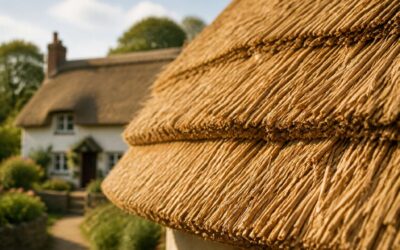
Across continents and centuries, thatch roofs have woven themselves into the tapestry of human settlement, their origins rooted deep in tradition and cultural reverence. In regions spanning from the lush wetlands of Africa to the verdant hills of Europe, thatch roofing served as a symbol of resourcefulness and harmony with nature. The art of thatch construction is more than mere shelter; it embodies a centuries-old dialogue between humans and their environment, echoing stories of ingenuity and resilience.
In South Africa, traditional thatch roofs are not only a nod to ancestral craftsmanship but also a testament to sustainable architecture. These roofs, crafted from locally sourced materials such as reeds, straw, and palm leaves, boast a unique ability to regulate indoor temperatures—an aspect directly linked to their thatch roof r value. This natural insulation prowess has helped communities thrive in diverse climates, making the thatch roof r value an essential factor in understanding their enduring appeal and functionality.
Materials Used in Thatch Roofing – Types of thatching materials such as straw, reed, and grass
Within the realm of traditional architecture, the materials chosen for thatch roofing stand as silent custodians of natural ingenuity. In South Africa, artisans have long favored a tapestry of locally sourced elements—reeds, straw, and palm leaves—that weave together to create roofs both resilient and harmonious with their environment. These materials are not mere coverings; they are living, breathing components of a sustainable architecture that embodies centuries of cultural reverence.
The thatch roof r value, a crucial measure of insulation efficiency, is inherently tied to the choice of thatching material. Thatch made from dense reeds, for example, often boasts a higher thatch roof r value, providing superior thermal regulation. Conversely, grass varieties tend to be lighter but still remarkably effective in moderate climates. The thickness and density of these materials directly influence the insulation properties, allowing homes to stay cool in the scorching sun or warm during chilly nights.
To better understand the diversity of thatching materials, consider the following:
- Reed: Known for its durability and excellent insulating properties, reed thatch is a favorite in regions demanding long-lasting and energy-efficient roofs.
- Straw: Often harvested from cereal crops, straw offers an eco-friendly option that balances insulation with ease of installation.
- Palm leaves: Ubiquitous in coastal and tropical regions, palm leaves create lightweight yet effective thatch roofs, contributing to a favorable thatch roof r value in warm climates.
Each material’s unique characteristics influence not just the aesthetic appeal but also the vital insulation qualities that define the thatch roof r value. When carefully selected and expertly installed, these natural materials unlock the full potential of traditional roofing—blending culture, sustainability, and optimal thermal performance into a seamless tapestry of human ingenuity.
Construction Techniques and Styles – Methods of thatching and regional variations
Thatch roof construction techniques and regional styles reveal a fascinating tapestry of human ingenuity and cultural expression. In South Africa, artisans have perfected methods that honor tradition while optimizing insulation—key to maximizing the thatch roof r value. These techniques vary from region to region, reflecting climate, available materials, and cultural heritage. Some communities favor a layered approach, meticulously layering reeds or grass to create a dense, weather-resistant barrier. Others employ a more sculptural style, emphasizing aesthetic appeal without compromising insulation quality.
In certain regions, the thatching process involves intricate weaving patterns that enhance the roof’s density, directly influencing the thatch roof r value. For instance, in coastal areas, palm leaves are skillfully layered to produce lightweight yet thermally efficient roofs ideal for warm climates. The choice of thatching style—whether a steep pitch to shed rain or a flatter profile for aesthetic appeal—also impacts insulation performance. By understanding these regional variations and construction methods, one appreciates how traditional techniques elevate the effectiveness of natural materials, unlocking the full potential of the thatch roof r value.
Thermal Properties of Thatch Roofs
Insulation Characteristics of Thatch – Natural insulation properties and air trapping capabilities
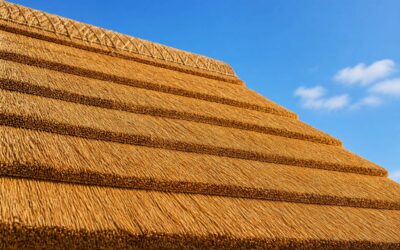
Thatch roofs are more than just a picturesque feature; they possess remarkable thermal properties that have stood the test of centuries. The natural insulation characteristics of thatch—comprising straw, reed, or grass—allow it to trap air efficiently, creating a formidable barrier against external temperature fluctuations. This air trapping capability is what gives thatch its high thatch roof r value, making it an exceptional insulator in both hot and cold climates.
What makes thatch truly stand out is its ability to balance thermal transfer without relying on synthetic materials. The dense, layered construction acts as a natural buffer, reducing heat loss during South African winters and preventing overheating during scorching summers. This balance is crucial for maintaining comfortable indoor environments while minimizing energy consumption. Whether traditional or modern, thatch’s innate insulation prowess continues to impress, proving that age-old building techniques remain relevant in today’s quest for sustainable living.
Average R-Value of Thatch Roofs – Estimated R-value ranges based on material type and thickness
In the realm of sustainable architecture, few materials evoke the romantic nostalgia and practical prowess of thatch roofs. Their natural composition and layered construction craft a thermal symphony—an inward sanctuary against South Africa’s blazing summers and biting winters. The thatch roof R value, a measure of insulation prowess, varies significantly depending on the material type and thickness, yet it consistently ranks among the most impressive natural insulators.
Typically, the estimated R-value of thatch roofs ranges from R-2.0 to R-3.5 per inch of thickness. Thinner layers provide modest insulation, but when layered generously—say, 12 to 18 inches—they create a formidable barrier that rivals many modern synthetic insulations. This natural R-value not only preserves heat but also promotes a cool interior environment, a feat that continues to fascinate architects and homeowners alike. The dense, fibrous structure traps air with poetic elegance, turning each thatch roof into a living, breathing insulator.
Understanding the variability in thatch roof R value is essential, especially when considering climate-specific applications. The material used—reed, straw, or grass—each contributes uniquely to thermal resistance. For example, reed tends to have a higher R-value due to its dense fiber matrix, while straw offers an economical yet effective alternative. These natural materials, when expertly layered and installed, forge an insulation barrier that is both sustainable and remarkably efficient, echoing centuries of traditional craftsmanship.
Comparing Thatch to Other Roofing Materials – Relative insulation performance versus asphalt shingles, metal, tile, etc.
Thatch roofs are often celebrated for their remarkable natural insulation, but how do they truly compare to more conventional roofing materials like asphalt shingles, metal, or tile? While modern synthetic options may boast higher R-values per inch—think asphalt shingles with R-0.44 or metal roofing with R-0.15—thatch roofs excel in their ability to trap air and regulate temperature through their layered, fibrous composition. This makes the thatch roof R value especially impressive when considered holistically, not just per inch.
Unlike rigid materials that rely solely on thickness for insulation, thatch’s unique structure creates a labyrinth of air pockets, effectively slowing heat transfer. For example, a well-layered thatch roof can achieve an R-value of R-2.0 to R-3.5 per inch—comparable to or even surpassing some synthetic insulators when layered generously. This natural insulation prowess is why many traditional South African dwellings remain comfortably temperate, even amid scorching summers and chilly winters.
- Reed thatch tends to have a higher R-value due to its dense fiber matrix.
- Straw, while more economical, still offers effective thermal resistance when properly installed.
- Grass thatch provides a lightweight alternative with commendable insulation properties.
In regions where climate control is critical, the comparison becomes even more stark. Thatch’s insulation characteristics allow it to perform with a level of thermal harmony that synthetic materials often struggle to replicate. Its ability to trap and slow the movement of air—an essential component of its natural R-Value—makes thatch roofs a sustainable choice that aligns beautifully with eco-conscious architecture and traditional craftsmanship.
Factors Influencing Thatch Roof R-Value
Type of Thatching Material – Differences between straw, reed, and grass in R-value
When it comes to thatch roof r value, not all thatching materials are created equal — in fact, the type of thatching material can make a significant difference in how well your roof insulates. Straw, reed, and grass each have their unique properties, influencing the overall thermal performance of the roof. For instance, reed tends to have a higher thatch roof r value because of its denser, more compact structure, trapping more air and providing better insulation. Grass, on the other hand, offers a lighter, more breathable option but generally scores lower on the insulation scale.
Understanding these differences is crucial, especially in South Africa’s diverse climate zones, where insulation can significantly impact energy costs. Here’s a quick breakdown of the typical R-value ranges based on material type:
- Straw: 1.5 to 2.0 per inch
- Reed: 2.0 to 2.5 per inch
- Grass: 1.0 to 1.5 per inch
Choosing the right thatch material isn’t just about tradition or aesthetics; it’s a strategic decision that influences your building’s energy efficiency and comfort. Ultimately, the thatch roof r value is a key consideration for any South African homeowner looking to meld cultural charm with modern insulation standards.
Thickness and Density – How the depth of thatch affects thermal resistance
The thickness and density of a thatch roof are pivotal in determining its thermal resistance—its thatch roof r value. As the depth of thatch increases, so does its ability to trap air, creating a natural insulating barrier. This air entrapment is what makes traditional thatch roofs so effective in South Africa’s varied climate zones. When the thatch is layered more deeply, the R-value improves significantly, offering better energy efficiency and comfort inside the building.
However, density also plays a crucial role. Thatch that is densely packed resists compression and maintains its insulating properties over time. Conversely, thinner or loosely packed thatch can lead to heat loss, reducing the overall thatch roof r value. In some cases, regional thatching techniques emphasize thicker, denser layers to maximize insulation—an age-old strategy that continues to serve modern energy standards.
- Thatch depth determines the volume of trapped air, directly impacting the thermal resistance.
- Higher density thatch resists compression, maintaining consistent R-value over decades.
- Variations in environmental conditions influence how thatch settles, affecting its insulation capacity over time.
Understanding how thickness and density influence the thatch roof r value opens new avenues for optimizing traditional building techniques to meet contemporary energy demands. It’s this delicate balance—between natural materials and engineered performance—that makes thatch roofing both an art and a science in South Africa’s architectural landscape.
Installation and Maintenance – Quality of thatching and upkeep impacts on R-value
The longevity and effectiveness of a thatch roof r value hinge significantly on installation quality and ongoing maintenance. A meticulously installed thatch roof not only enhances its natural insulating properties but also ensures consistent thermal resistance over decades. Conversely, neglecting upkeep can lead to compression, sagging, and compromised air trapping, which diminishes the thatch roof r value.
Environmental factors such as wind, rain, and sunlight influence how thatch settles and wears. Regular inspections and timely repairs are essential to preserve optimal insulation performance. For example, replacing worn or loosely packed thatch prevents heat loss and maintains the energy efficiency that South African homes demand. Recognizing that the quality of thatching directly impacts the R-value underscores the importance of choosing skilled artisans and durable materials.
In regions where traditional techniques prevail, some thatch layers are carefully layered to maximize air entrapment—an age-old method that continues to boost the thatch roof r value. Whether through
- replacing damaged sections
- re-seeding the thatch
- adding protective coatings
proper maintenance preserves the natural insulation qualities that make thatch a sustainable and charming roofing option in South Africa’s diverse climate zones.
Enhancing the R-Value of Thatch Roofs
Additional Insulation Layers – Using underlayment, foam, or other insulation options
In the realm of traditional South African architecture, the thatch roof r value holds a mystical allure—an ancient secret that marries nature’s ingenuity with modern energy efficiency. While thatch naturally offers impressive insulation properties, the quest to elevate its thermal performance often leads to the addition of supplementary insulation layers. These enhancements not only bolster the thatch roof r value but also create a more hospitable environment within, shielding inhabitants from the relentless sun and biting cold.
Incorporating additional insulation layers—such as underlayment, foam, or other innovative materials—can transform a humble thatch roof into a fortress of thermal resilience. The process is akin to weaving a layered tapestry, where each element adds depth and strength. For instance, a carefully selected foam beneath the thatch can significantly increase the overall R-value, trapping air pockets that act as invisible cushions of warmth. Such techniques are especially vital in regions where climate variations demand adaptable solutions, enhancing the thatch roof r value without compromising the traditional aesthetic.
Moreover, regional artisans often employ a combination of natural and synthetic insulators in a layered approach, ensuring that the thatch’s intrinsic insulation properties are complemented by modern advancements. This synergy results in a roof that is not only culturally revered but also thermally efficient—an enduring testament to the harmony between tradition and innovation. Whether through a simple underlayment or more sophisticated insulation options, enhancing the thatch roof r value becomes a vital pursuit in creating sustainable, energy-efficient dwellings that honor history while embracing the future.
Proper Ventilation – Preventing moisture buildup and maintaining insulation effectiveness
In the shadowed corridors of traditional South African architecture, the thatch roof r value whispers tales of ancient wisdom woven into the very fabric of the land. Yet, even the most venerable thatch, with its natural air-trapping prowess, benefits from the subtle art of proper ventilation. Without it, moisture can seep into the layers, turning the once resilient thatch into a breeding ground for decay and mold—undermining the very R-value that makes it so effective in the first place.
Maintaining a balance between insulation and airflow is crucial. Ventilation channels act as the unseen guardians, allowing excess moisture to escape and ensuring the thatch remains dry and effective. When moisture lingers, it diminishes the thatch roof r value, reducing its ability to insulate against the relentless South African sun or biting winter cold. An effective ventilation strategy preserves the integrity of the natural materials while boosting thermal performance, making the thatch a fortress against the elements.
Imagine a layered sanctuary—each breath of air working in harmony to sustain the thatch’s innate insulation. In regions where climate swings are fierce, the seamless dance between ventilation and insulation becomes all the more vital. It is a delicate, almost poetic balance—one that ensures the thatch’s historic charm endures, while its thermal efficiency remains uncompromised. Truly, the secret to enhancing the thatch roof r value lies not just in the materials used, but in the silent, vital airflow that keeps its magic alive.
Maintenance Practices – Regular inspections and repairs to sustain thermal performance
In the intricate dance of traditional South African architecture, maintaining the thatch roof r value is both an art and a science. While the natural air-trapping qualities of thatch are legendary, neglecting regular inspections and repairs can swiftly erode its thermal prowess. Over time, even the most resilient thatch can succumb to decay, mold, and moisture infiltration, all of which diminish its R-value. An unkempt thatch roof is akin to a well-worn manuscript—full of stories but vulnerable to the elements.
Consistent maintenance ensures that the thatch remains a formidable barrier against the sun’s relentless glare and winter’s biting cold. Regular inspections—focusing on areas where the thatch appears worn or damaged—can preempt costly repairs and preserve its natural insulation qualities. When repairs are needed, addressing loose or degraded thatch with targeted re-thatching not only prolongs the roof’s lifespan but also sustains the thatch roof r value. Remember, a well-maintained thatch roof is a testament to craftsmanship and an enduring symbol of cultural heritage.
- Schedule seasonal inspections to identify early signs of wear.
- Replace or patch damaged sections promptly to prevent moisture ingress.
- Use authentic thatching materials to maintain the natural R-value.
Beyond repairs, integrating additional insulation layers—such as underlayment or lightweight foam—can bolster the thatch’s thermal resistance. But even the most advanced insulation cannot compensate for neglect. The secret to preserving the thatch roof r value lies in attentive stewardship—ensuring that each layer, each tuft of thatch, continues to perform its role in creating a natural sanctuary against South Africa’s climate extremes.
Pros and Cons of Thatch Roofs in Terms of R-Value
Advantages – Natural insulation, sustainability, aesthetic appeal
Thatch roofs possess a unique charm that’s hard to replicate, but their appeal goes much deeper than aesthetics. One of the most compelling advantages of a thatch roof is its impressive natural insulation. Unlike conventional roofing materials, thatch’s air-trapping properties create a thermal barrier, providing warmth in winter and coolness during South Africa’s sweltering summers. This intrinsic insulation significantly boosts the thatch roof r value, making it a sustainable choice for eco-conscious homeowners.
However, it’s not all sunshine and thatch. While the natural insulation is a major plus, the thatch roof r value can vary depending on material type and thickness. Thinner or poorly maintained thatch may allow heat to escape, reducing overall efficiency. Conversely, a well-constructed and adequately thick thatch roof offers superior thermal resistance, rivaling some modern insulation systems. This delicate balance between thickness, material choice, and installation quality determines how effectively a thatch roof performs in terms of energy savings and comfort.
- Natural insulation that enhances thermal comfort
- Sustainable and environmentally friendly materials
- Design flexibility and aesthetic appeal
Limitations – Variable R-value, susceptibility to weather damage, potential for pests
While thatch roofs boast impressive natural insulation, their R-value isn’t always consistent. Unlike modern roofing materials with standardized thermal resistance, the thatch roof R value can fluctuate based on several factors. The material type—be it straw, reed, or grass—plays a pivotal role. Thinner or poorly maintained thatch may allow heat to seep through, diminishing the thermal barrier that makes thatch an eco-friendly choice. Conversely, a thick, well-constructed thatch roof can rival some synthetic insulations in thermal performance.
However, this variability introduces some drawbacks. Weather conditions—heavy rain, wind, and prolonged moisture exposure—can weaken the thatch, reducing its insulation capabilities over time. Susceptibility to weather damage means that continuous maintenance is essential to sustain the R-value and overall thermal efficiency. Additionally, thatch’s vulnerability to pests like insects and rodents can compromise the integrity of the roof, further impacting its insulating properties. Ultimately, understanding the delicate balance between material choice, roof thickness, and upkeep is crucial when evaluating the true R-value of a thatch roof in South Africa’s diverse climate.
Regulations and Guidelines for Thatch Roof Insulation
Building Codes and Insulation Standards – Local and international regulations impacting thatch roofing
Building regulations and guidelines surrounding thatch roof R value are a vital aspect of sustainable construction in South Africa. Local building codes often stipulate minimum insulation standards to ensure energy efficiency, especially in regions where temperature fluctuations are common. International standards, such as those from the International Building Code (IBC), also influence how thatch roofing is constructed and insulated, emphasizing safety and durability.
In many areas, regulations mandate that thatch roof R value meet specific thresholds to qualify for permits or incentives. These standards aim to balance traditional craftsmanship with modern energy conservation goals. For example, some South African municipalities require that thatch roofs incorporate additional insulation layers or ventilation systems to prevent moisture buildup. Adhering to these guidelines not only ensures compliance but also prolongs the lifespan of the thatch roof and enhances its insulating properties.
- Compliance with local building codes
- Adherence to international insulation standards
- Incorporation of additional insulation measures
- Proper ventilation to prevent moisture damage
Understanding these regulations fosters a harmonious blend of cultural heritage and contemporary energy efficiency—preserving thatch’s natural beauty while optimizing its thermal performance.
Best Practices for Achieving Adequate R-Value – Recommendations from industry experts
In the realm of sustainable architecture, understanding the regulations surrounding thatch roof R value is more than a bureaucratic necessity—it’s a moral imperative. South Africa’s building codes serve as guardians of tradition and innovation, ensuring that thatch roofs meet rigorous standards for insulation and durability. Industry experts emphasize that compliance with these guidelines isn’t merely about legality; it’s about honoring a cultural heritage while embracing energy efficiency.
Regulations often prescribe specific thresholds for thatch roof R value, prompting builders to adopt best practices that marry natural materials with modern insulation techniques. For example, incorporating additional insulation layers or ventilation systems can significantly enhance the R value, thereby optimizing thermal performance and moisture control. These measures are essential for prolonging the lifespan of the roof and safeguarding the environment, reflecting a deeper understanding of our interconnectedness with nature.
- Adherence to local building standards ensures that thatch roofing maintains its cultural integrity while fulfilling contemporary energy requirements.
- International insulation standards influence regional practices, pushing for innovations in natural insulation enhancement.
- Using supplementary insulation like underlayment or foam can elevate the thatch roof r value, making it more resilient against climate fluctuations.
Proper ventilation, often overlooked, plays a pivotal role in maintaining the desired R value. It prevents moisture buildup, which can compromise insulation and lead to deterioration. Industry recommendations advocate for a holistic approach—combining traditional thatching techniques with modern insulation practices—thus creating a harmonious balance that respects heritage and promotes sustainability.
Conclusion
Thatch roof r value isn’t just a technical term; it’s the secret to understanding how well your roof insulates against South Africa’s variable climate. A high thatch roof r value means better thermal resistance, keeping your home cool in summer and warm in winter. Thatched roofs have been used for centuries, proving their effectiveness in creating comfortable living spaces without excessive energy use.
While traditional, the thatch roof r value can vary significantly depending on the material’s thickness and the type of thatch used. Generally, a well-maintained thatch roof offers an impressive r value, rivaling modern insulation systems. This natural insulation is not only eco-friendly but also adds a unique aesthetic charm that’s hard to replicate.
Understanding the benefits of a high thatch roof r value can influence your decision when considering roofing options. It’s a blend of tradition and innovation, offering sustainable solutions that are as effective today as they were centuries ago. Whether for new construction or restoration, the thatch roof r value remains a vital factor in creating energy-efficient homes across South Africa!

0 Comments