Thatched Roof Rondavel Architecture Overview
Origin and cultural significance of rondavels
Across the South African plains, a roof thatch is more than shelter—it’s a whisper of place. A Zulu proverb reminds us, ‘A roof is a memory you sleep under.’ The thatch roof rondavels invite the eye to circle in on themselves, a geometry of belonging. They endure rain and wind, carrying the wind’s language in every blade of grass.
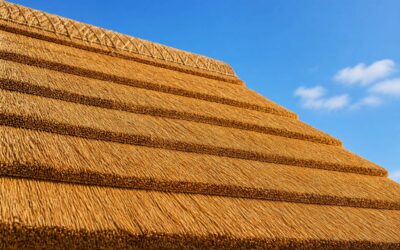
Architecturally, their circular footprint optimizes heat and airflow. A conical, thatched roof sheds rain while interiors stay cool; mud walls and earthen timbers breathe with the seasons.
- Circular plan supports social living
- Thatched roof delivers insulation and shade
- Locally sourced materials sustain tradition
- Open spaces invite conversation
Origin and cultural significance run as deep as the fibers themselves. Rondavels trace roots to southern African communities where homes evolve with families and ceremonies. In these circles, memory, ritual, and daily life braid into architecture, teaching humility, reciprocity, and belonging.
Key structural components of thatched roofs
The architecture of thatch roof rondavels reveals a romance of shelter: circular footprints that invite the eye inward, a conical crown that sheds rain with grace, and mud walls that breathe with the seasons. The form is a quiet conversation between climate and craft, turning heat into comfort and wind into a friend. It is a geometry of belonging, sung in grass and timber rather than steel and glass.
Key structural components of such roofs include these essentials:
- Conical thatch crown that sheds rain while maintaining shade
- Timber rafters and lattice forming a lightweight, breathable framework
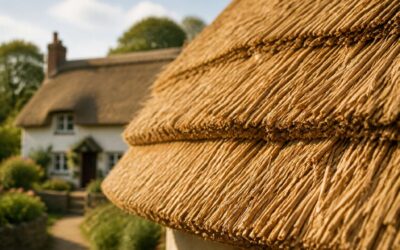
- Layered thatch over a breathable underlayment for enduring insulation
- Earth plaster on mud walls to regulate moisture and temperature
Open eaves and vented walls harness natural airflow, keeping interiors cool in summer and warm in winter. The design honors local materials and craftsmanship, weaving resilience with beauty—thatch roof rondavels as both shelter and sculpture.
Common materials used in rondavel construction
Thatched roof rondavels unfold like circular sonnets against the horizon, a shelter that invites the eye inward and the body to rest. The architecture weds climate to craft with patient, ceremonial grace. I have stood beneath the conical crown and watched rain slip away with a quiet, respectful ease. These dwellings are not merely structures but rituals of shade and light—a language spoken in grass and timber. In South Africa, these spaces are memory and shelter. Within thatch roof rondavels, warmth is stored in the weave.
Common materials reflect the local palate and climate:
- Thatched roof materials drawn from native grasses or reeds
- Timber rafters and lattice using local hardwoods
- Breathable underlayment and insulation with natural fibers
- Earth plaster on the mud walls, finished with lime wash
Variations in rondavel shapes and sizes
Light circles the center of gravity and time slows. I stand beneath thatch roof rondavels, and a quiet line returns: “We shape spaces that shape us.” The air feels deliberate, intimate!
Variations in rondavel shapes and sizes unfold like breaths of the same wind—compact domes, taller conical crowns, and wider drums that cradle shade and sound.
- Single-cone, compact rondavels for intimate courtyards
- Elongated or multi-chamber forms for growing families
- Strategic door and slit placement to optimize cross-ventilation
These forms respond to sun, rain, and ritual life, bending light into soft edges and keeping interiors cool without heavy insulation. In South Africa, these spaces endure as living memory and shelter that hold warmth in their weave.
Craft and climate meet in every curve; a rondavel stands as a humble yet defiant testament to human endurance and shared shelter, where presence becomes the architecture itself.
Maintenance principles for thatched roofs
In South Africa, a well-kept thatch roof rondavels can endure 40 to 60 years, a testament to durable craft and climate-ready design. Maintenance principles, practiced across generations, keep interiors cool and roofs resilient.
Maintenance principles for thatched roofs are modest but vital. They center on keeping moisture out, guarding against wear, and honoring the seasonal cycle that shapes these spaces.
- Regular inspections to spot frayed thatch and early wear
- Ridge cap and cap strip care to prevent water ingress
- Drainage management and vegetation clearance to minimize moisture and pests
These roofs reveal how care and climate collaborate—quiet, practical, and humane architecture.
Cost considerations and budgeting for rondavel projects
South Africa’s climate rewards buildings that breathe. A well-crafted rondavel with a thatch roof can stay cooler in summer and warmer at night, helping cut cooling costs by up to 30% in peak heat.
Architecture overview: The design centers on a circular footprint, a sculpted thatch roof, and a compact interior that promotes air movement. Natural daylight, texture, and simplicity meet climate readiness in thatch roof rondavels, where landscape and shelter weave into one form.
Cost considerations and budgeting hinge on thatch choice, roof height, site access, and skilled labor.
- Material grade and thatch thickness
- Labor availability and project schedule
- Site access and scaffolding needs
- Permits, insurance, and warranties
- Long-term maintenance reserve
These factors shape value, durability, and the joy of living in a space that feels timeless.
Materials and Sourcing for Rondavels with Thatch Roofing
Thatched roofing options and their pros and cons
Across South Africa, the charm of thatch remains a living practice. Properly sourced thatch roofs can endure 20–40 years with regular upkeep—a compelling payoff for rondavel projects. Choosing thatch roof rondavels hinges on local grasses, harvest cycles, and supplier reliability, all of which shape texture, color, and performance.
Within thatcher’s toolkit, common materials run the gamut: reed, sedge, and palm fronds each offer a distinct look and performance. Local reed thrives in riverine regions; sedge provides a robust, weather-resistant mantle; palm fronds stay light and pliable for rapid installation. Thatched roofing options carry clear pros and cons: durability and insulation improve with dense bundles, but fire risk and maintenance cadence rise without regular combing and treatment. Fire-retardant coatings and certified suppliers help, while SA building codes steer installation standards.
- Local, sustainable harvesting practices
- Certified suppliers with fire-retardant treatments
- Clear lead times and seasonal availability
With the right sourcing network, thatch roof rondavels become not just shelter but a statement of place—woven from local voice, climate, and craft.
Roof frame and support considerations for round huts
“The roof is the memory of a home,” a South African thatcher reminds us. That memory shapes every decision around thatch roof rondavels, from sourcing to finish. The texture, the shade, and the rhythm of the grass reveal place, season, and craft in equal measure.
Materials and sourcing begin with local ecosystems and trusted networks. The right supplier offers not just fiber but stewardship: fire-retardant treatments, transparent lead times, and seasonal availability.
- Local harvest cycles
- Certified suppliers with fire-retardant treatments
- Clear lead times and seasonal availability
When planning the roof frame and support for round huts, respect the circle with a sturdy ring beam, radial posts, and a lattice or purlin system to cradle the thatch. For thatch roof rondavels, precise joints and balanced load distribution prevent sagging and weathering, keeping the thatch tight and resilient.
Insulation and thermal performance of thatch
Across South Africa, well-insulated thatch roof rondavels can trim cooling loads by up to 25% in peak summer. Sound sourcing is as much craft as commerce: we rely on farm-to-sieve networks and local ecosystems where fibers breathe with the land. The right supplier offers more than fiber; they bring stewardship—fire-retardant treatments, predictable lead times, and seasonal availability that fit the rhythm of harvest.
- Local harvest calendars aligned with crafting cycles
- Fire-retardant certified treatments meeting safety standards
- Transparent scheduling and seasonal windows for supply
Insulation and thermal performance hinge on feather-light density balance, thatch thickness, and proper compression. A well-sealed seam and a breathable underlayer keep heat out without breeding moisture, preserving longevity of the roof.
Weatherproofing strategies for thatch roofs
From the veld’s breath to the roofline’s silhouette, thatch roof rondavels wear the weather like a whispered omen. Across South Africa, well-sourced materials for these roofs can trim cooling loads by up to 25% in peak summer.
Materials and sourcing thread the project to the land: local fibre networks, farm-to-sieve partnerships, and harvest-timed supply.
- Fire-retardant formulations certified to safety standards
- Transparent lead times and clearly defined seasonal windows
- Harvest-aligned fibres from regenerative rural ecosystems
Weatherproofing strategies for the thatch roof rondavels hinge on a feather-light density balance, measured thickness, and the art of compression. A well-sealed seam and a breathable underlayer keep heat outside and moisture at bay, preserving the roof’s long memory and a quiet, living charm.
Sourcing sustainable thatch and reputable suppliers
Light spills over a rondavel’s curve when thatch is sourced with care — and in South Africa, the tale is as much about people as fibre. For thatch roof rondavels, sustainable sourcing isn’t a trend; it’s a promise. Responsible supply chains can trim cooling loads by up to 25% in peak summers while supporting regenerative rural economies. We seek partners who blend craftsmanship with transparency, offering fibres from local growers, harvest-aligned timetables, and fire-retardant formulations certified to safety standards.
Transparent lead times and clearly defined seasonal windows keep projects moving. Sourcing thatch the right way means partnering with reputable suppliers who can verify the path from fibre to roof.
- Certified fibre quality
- Harvest-timed, regenerative sourcing
- Independent safety verification
Durability, lifespan, and maintenance intervals of materials
In South Africa, durable thatch roof rondavels often outpace rough weather by up to 30% when fibre quality is managed with care and transparent sourcing.
Material choice matters: fibre type, density, and how the thatch is stored all shape lifespan. When fire-retardant formulations are certified to safety standards, a roof’s resilience against heat and embers improves—no smoky magic tricks, just science—while maintenance windows stay predictable across seasons.
- Fibre quality and density influence weather resistance and longevity
- Fire retardant certification reduces risk and extends service life
- Maintenance intervals align with seasonal cycles and climate shifts
Choosing materials for thatch roof rondavels means partnering with suppliers who verify fibre origin, harvest timing, and independent safety tests, ensuring the fibres perform when SA sun and rain press hardest.
Building Process and Best Practices for Round Huts with Thatch Roofs
Planning and permits for rondavel construction
Site preparation and foundation for circular structures
Across South Africa’s sunlit plains, where tradition meets wind, the first heartbeat of thatch roof rondavels lies in groundwork. Site preparation for circular structures begins with a clean, graded site that sheds water away from the base and curbs moisture uptake. The foundation—a ring of concrete or compacted lime—must respect soil bearing and drainage, steadied by careful profiling. When the ground is ready, the timber frame rises with patient skill, allowing the thatch to breathe and sing with wind.
Best practices for site preparation and foundation for circular structures center on moisture control and sound load paths. To guide design, consider these principles:
- Soil bearing and drainage inform foundation choice.
- Perimeter grading helps manage runoff and water flow.
- Material compatibility reduces movement between ground and structure.
Rafters and framing techniques for thatch roofs
Across South Africa’s sunlit plains, around 60% of traditional rondavels still rely on thatch roof rondavels for shelter, heritage, and cooling rhythms. The building process begins with choosing timber that breathes and aligning rafters to capture wind without stifling it, a harmony of technique and terrain.
- Rafters and framing: seasoned timber selection and curved ridge continuity
- Joints and fasteners: mortise-and-tenon joints reinforced with pegs or wire ties
- Slope and ventilation: rafters set on a gentle slope (about 30–35 degrees) to shed rain and allow airflow
This approach keeps the structure resilient in wind and rain, while maintaining the breathing space thatch needs to perform. Craft and care align with landscape, memory, and practical design.
Thatching methods and retrofits for longevity
In the shade of acacia and sun-warmed clay, thatch roof rondavels rise as living shelters that breathe with the wind. The building process blends timber that breathes with the climate and meticulous thatching, creating a roof that sheds rain while inviting air to circulate. Heritage in motion, they fuse memory with practical design.
Employing sound thatching methods and thoughtful retrofits can extend life through seasons.
- Thatching methods: choose between traditional hand-laid thatch for flexibility and modern pre-bundled forms for quicker coverage, ensuring proper crown overlap to shed water.
- Retrofits for longevity: reinforce ridge caps, install breathable windbreaks and netting to deter pests, and schedule staged rethatches aligned with seasonal rains.
With patient attention to underlayers and drainage, these practices transform a humble rondavel into a resilient sanctuary that ages gracefully with the land.
Hiring professionals and contractor selection
Building a rondavel with grace begins long before the first beam is set. In South Africa’s light, timber frames breathe with the climate, and thatch layers weave wind and warmth into living walls. For thatch roof rondavels, the building process is a dance of memory and form, where shelter ages with the land.
Choosing the right professionals matters as much as the materials. A thoughtful contractor reads the local weather, honors traditional craft, and coordinates with trusted suppliers to ensure rhythm and durability. Their stewardship keeps the roof vibrant through seasons, translating cultural beauty into lasting performance.
From planning to dawn light, collaboration yields spaces that feel both inevitable and intimate—places to gather, reflect, and endure.
Quality control and inspections during build
Thatch roof rondavels embody a philosophy: build with the climate, not against it. In South Africa, the timber frame breathes, and the thatch layers weave wind and warmth into living walls. Quality control and inspections during build keep moisture content right, joints true, and the crown ridge solid, so the roof ages gracefully as the land does.
Quality control and inspections during build follow a simple rhythm—steady checks that don’t interrupt the flow of craft. The emphasis is on enduring details that matter when the sun returns or rain comes sideways:
- Timber moisture, knot integrity, and treatment
- Rafter spacing, circular frame accuracy, and tie-downs
- Ridge line alignment and thatch continuity
When these best practices are observed, thatch roof rondavels offer living spaces that remain hospitable and beautiful, season after season.
Maintenance and Longevity for Thatched Roof Huts
Routine maintenance schedule for thatched roofs
In the dance of sun and rain, thatch roof rondavels endure with grace! Routine maintenance schedule for thatched roofs anchors longevity, a quiet ritual that respects the materials and the craft. A careful glance reveals moss at shaded edges, birdsong near vents, and wind-worn ridge lines.
South Africa’s varied climate tests the thatch, from the Highveld heat to coastal mists. Regular inspections catch loose sections, insect activity, or moisture pockets before they threaten structure and comfort.
When tended with patience, the thatch layers continue to insulate and shed water, aging into a storyteller’s patina. Longevity grows from mindful observation, selective replacement, and a shared pride in maintaining the rondavel fabric that anchors communities.
Common issues and quick fixes for rondavels
Maintenance and longevity hinge on quiet rituals that honour the thatch’s breath and the rondavel’s circle. I’ve learned that regular scrutiny—looking for moss at shaded eaves, uneven edges, or a wind-tired ridge—keeps the heart of the home beating through seasons.
Common issues include loose patches, moisture pockets, insect nibble, and bird interference.
- Re-secure loose thatch with clean binding twine or wire, avoiding damage to underlying layers.
- Address moisture pockets by gentle drying and re-thatching where needed; ensure vents and drainage.
- Treat for insects and moss with approved, non-toxic remedies; consult professionals for severe outbreaks.
With patient care, longevity grows; the rondavel’s fabric remains insulating, water-shedding; it becomes a storyteller’s patina. For the thatch roof rondavels, longevity is a dialogue between craft and climate.
Professional thatching repairs vs DIY approaches
A roof that breathes ages gracefully, and thatch roof rondavels prove it. Maintenance and longevity hinge on quiet rituals that honour the thatch’s breath and the rondavel’s circle. Regular checks catch moss, uneven edges, and small leaks before they become storms.
Professional repairs deliver lasting performance, with trained assessment, proper binding, and moisture management. DIY fixes can be cheaper upfront but risk unseen pockets, insect nibble, and accelerated wear.
- Professional repairs: alignment, insulation, longer lifespan
- DIY approaches: lower upfront cost, personal timing, higher risk of recurring issues
Longevity is a dialogue between craft and climate; for thatch roof rondavels, care that respects both traditions and weather protects the home’s spirit.
Preserving aesthetics and color of thatch
In South Africa, the sun tests every roof, and well-tended thatch roof rondavels breathe with the seasons, aging with grace and turning weather into character rather than wear.
Maintenance and longevity hinge on rituals that honour the thatch’s breath. Gentle checks, respectful care, and an eye for uneven edges—or moss, which is part of the charm—help preserve aesthetics and color without erasing the material’s natural story.
- Breathability ensures moisture stays balanced around the rondavel
- Patina and colour retention maintain its unique character
- Periodic professional assessments protect the structure’s integrity long-term
Longevity is a dialogue between craft and climate; care that respects both traditions and weather protects the home’s spirit.
Pest control and fire safety considerations
Maintenance for thatch roof rondavels is a quiet dialogue with sun and wind. In South Africa’s changing seasons, this living material thrives when cared for with patience, allowing fibres to breathe and age with grace.
Pest control considerations guard the shelter from termites, birds and rodents that may intrude on the thatch. Regular monitoring, thoughtful habitat management around the hut, and expert guidance keep the weave resilient without erasing its natural charm!
- Pest pressure awareness and early reporting
- Fire safety readiness aligned with local norms
- Periodic professional assessments for structural integrity
Fire safety considerations emphasize ember resistance and compliance with regional standards; respecting these measures helps thatch roof rondavels endure both the fiercest storms and the gentlest evenings without compromising safety.
Longevity is a dialogue between craft and climate; measured care preserves the home’s spirit and the eloquent breath of its thatched roof.
Seasonal care tips and long-term care planning
Maintenance and longevity unfold as a quiet dialogue with sun and wind. Thatched roofs drink in the seasons, and patience rewards the weave with breath and grace. For thatch roof rondavels, climate-aware rhythms keep color, aroma, and resilience in harmony rather than hurriedly forced.
- Seasonal moisture balance and airflow around the hut
- Fiber aging that preserves texture and natural patina
- Periodic professional assessments to verify structural integrity
Long-term care planning centers on steady partnerships with skilled thatchers, mindful budgeting for mid-life repairs, and a philosophy of maintenance that respects the weave’s character. Embracing sustainable materials and local craftsmanship helps the roof endure changing seasons without losing its eloquent breath.

0 Comments