What is a thatched roof house
Overview of thatch roof construction
In South Africa, the house with thatch roof is a living hymn to craft and climate. The roof breathes with the breeze, cooling interiors as sunlit straw tells a quiet story. “Thatch is the roof that keeps the heartbeat of a home steady,” notes a veteran thatcher, and the sentiment lingers like a soft rain on a tin roof.
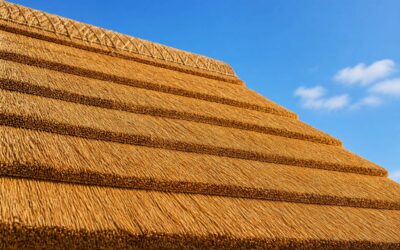
Thatch roof construction unfolds in layers: a timber frame bears the weight; long straw or reed is laid in thick, overlapping courses; an underlay and battens provide ventilation; a ridge cap seals the crown against rain; and regular re-thatching renews the magic over the years.
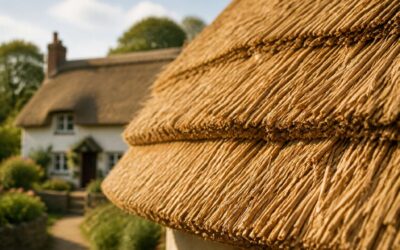
Locally sourced materials, skilled hands, and careful design craft a roof that ages gracefully, with natural insulation and a character that refuses to fade. The surface texture, varying hues, and eaves that shelter a veranda invite a life outdoors—sun, wind, rain, and shade dancing together.
Key benefits of traditional thatch housing
A house with thatch roof in South Africa paints sun and sky into architecture, turning heat into comfort and wind into rhythm. A veteran thatcher says, “the heartbeat of a home,” and that heartbeat lingers like rain on a tin roof, inviting you to listen.
Thatch breathes, a natural textile of straw that tempers heat and moderates humidity. Local grasses, patient hands, and time-honored craft connect a house to landscape and season, creating a climate-friendly residence that ages with grace. I have stood beneath its shelter and felt climate and craft breathing together.
- Energy-efficient insulation that keeps interiors cool in summer and warm in winter
- Sustainable, locally sourced materials with low embodied energy
- Timeless curb appeal and cultural resonance that age gracefully
In South Africa, these roofs are more than shelter—they are a living archive of craft, climate, and community.
Common myths about thatch roof durability
Across South Africa, a well-tended thatch roof can endure 20–40 years, a living ledger of weather, craft, and time. A house with thatch roof invites sun and sky to shape its bones!
Common myths drift over the ridge.
- Myth: Thatch is inherently fragile and short-lived.
- Myth: It’s a guaranteed fire risk with no mitigation.
- Myth: Upkeep is unbearably expensive.
When properly managed, thatch reveals its true temperament—resilient, breathable, and surprisingly economical in climate control. Local materials, patient hands, and traditional know-how knit the roof to landscape and season, aging with quiet grace.
Shaped by sun, wind, and craft, the house with thatch roof becomes less a building than a conversation with the land and its people.
Who should consider a thatched roof home
Across South Africa, a well-tended house with thatch roof endures decades, a living ledger of sun, wind, and craft. It is not merely shelter but a dialogue with sky and landscape—a silhouette that ages with quiet grace.
Blades of local grasses, neatly layered, form the canopy. When paired with skilled timber and a lime wash, the roof breathes with seasonal shifts, cooling summers and insulating winters, while the interior stays luminous and calm.
- Eco-conscious homeowners seeking natural insulation
- Rural or coastal properties with historic character
- Design lovers of organic, sun-kissed aesthetics
- Heritage restoration projects that honor local materials
Ultimately, this dwelling becomes more than a structure—it’s a conversation with land and craft, a living piece of the South African horizon.
Benefits and drawbacks of thatch roof homes
Energy efficiency and insulation advantages
South Africa’s sun is unforgiving, which is why a house with thatch roof can feel mysteriously cool even on scorchers. Beyond charm, these roofs invite airflow, insulation, and a dash of rural romance into modern living.
Energy efficiency and insulation advantages aren’t mere folklore. Thatch is a natural insulator, keeping interiors cooler in heat and warmer when it’s chilly—lowering energy bills and easing the load on air conditioning. Breathable layers help regulate humidity and curb drafty mornings.
- Lower cooling needs in summer due to a breathable, insulating envelope
- Better humidity control for comfortable interiors year-round
- Substantial sound damping that calms busy South African streets
Drawbacks? Maintenance and cost are real talk. Repairs require skilled thatchers, and fire regulations demand planning. In some climates, moisture and pests require vigilance, so a house with thatch roof isn’t a one-size-fits-all choice.
Cost considerations and ROI
South Africa’s sun can feel like a forge, yet a house with thatch roof can invite a whisper of cool air inside. The gentle breath of thatch improves airflow and comfort, even on scorchers, while adding a dash of rural romance.
Cost considerations and ROI loom large.
- Upfront installation costs are often higher than conventional roofs
- Skilled thatchers and ongoing maintenance add to expenses
- Fire safety measures and insurance impacts require planning
- Potential energy savings can improve long-term ROI
Over time, ROI comes from energy savings, aesthetic value, and resale appeal, though moisture and pests require vigilance in certain climates.
Climate suitability and regional availability
In South Africa, a house with thatch roof carries a quiet romance—and it’s more than scenery. It invites natural ventilation and a cooler microclimate that defies the hottest days, while textures and light weave a rural charm modern roofs rarely match. The trade-off is maintenance and fire safety planning that cannot be ignored!
Consider these nuanced realities:
- Excellent natural ventilation that stabilizes indoor temperatures.
- Distinctive curb appeal and regional character that can boost resale value.
- Higher upfront costs and ongoing upkeep requiring budget and schedule.
- Fire safety measures and insurance implications must be integrated early.
Climate suitability and regional availability: In coastal KwaZulu-Natal and the Eastern Cape, thatch performs well with proper underlayment; inland SA requires attention to moisture and pests. Skilled thatchers and local material networks exist in pockets, making regional planning essential for a durable, authentic home.
Potential maintenance costs and lifespans
A house with thatch roof isn’t just a pretty face—it’s climate-smart architecture with romance. It breathes in weather, keeping interiors cooler through natural ventilation and a play of light. “Climate-smart and charming,” as a veteran thatcher likes to say. The flip side is maintenance and fire safety planning you can’t ignore.
Consider these quick takeaways:
- Excellent natural ventilation that stabilizes indoor temperatures
- Distinctive curb appeal and regional character that can boost resale value
- Higher upfront costs and ongoing upkeep requiring budget and schedule
- Fire safety measures and insurance implications must be integrated early
Potential maintenance costs and lifespans hinge on climate, workmanship, and upkeep. With solid underlayment, pest control, and regular re-thatching, a roof can span two to four decades, though some SA projects push longer with meticulous care. Expect inspections, moss control, and timely repairs to keep the dream durable rather than decorative.
Materials, styles, and design options for thatch roof homes
Types of thatch materials and their pros/cons
Historic elegance meets modern resilience in a house with thatch roof. South African climates reward thatch with natural cooling and warmth. Materials, shapes, and finishes fuse to create living architecture that feels timeless and liveable. Tailoring thatch to site and sensibilities matters.
Thatch materials fall along a spectrum of texture, weight, and longevity. Consider these common types:
- Cape reed thatch — durable and excellent at shedding rain; heavier and pricier, demanding skilled installation.
- Long-straw thatch — classic look and easier to repair; shorter lifespan and moderate maintenance.
- Grass thatch — lightweight and cost-effective; may weather faster and require more frequent upkeep.
Design options span vernacular silhouettes to sculpted forms. In SA, daylight shifts colour; extended eaves and ridges affect airflow. Paired with timber or clay finishes, the look ages gracefully and feels alive as the land turns.
Architectural styles featuring thatch
Thatched roofs aren’t merely shelter; they’re living architecture that breathes with the land, turning weather into atmosphere. A seasoned SA architect likes to say: “Thatched roofs are skin and soul for a home.” The approach blends craft with light, shadow, and a stubborn, convivial durability.
Materials and finishes shape the mood beneath the eaves. For a house with thatch roof, local fibers, natural tones, and weathered textures foster a sense of place—coolness in summer, warmth in winter.
- Cape-Dutch echoes in gables and ridge lines
- Contemporary sculpted forms with generous overhangs
- Timber, clay, and stone pairings that patina with time
In SA, daylight shifts colour and airflow follows the roofline, so design that embraces site and sensibility feels timeless and liveable.
Color, texture, and thatch finishing techniques
Sunlight dresses a house with thatch roof in shifting gold, turning weather into atmosphere. A SA architect once quipped that thatched roofs are skin and soul for a home, and the observation still stings with truth. Materials talk here: local fibers, natural tones, and weathered textures that feel both ancient and refreshingly modern.
Color and texture co-create the under-eaves mood, from cool summer shade to warm winter glow, while thatch finishing stays breathable, tactile, and distinctly sun-warmed.
- Earthy color palettes: ochre, clay, and stone with subtle lime-washed accents
- Texture cues: weathered timber, natural fibers, and patinaed stone that age gracefully
- Finishing techniques: lime wash, beeswax seal, and light oiling for timber resilience
Combining thatch with other roofing options
In South Africa, a house with thatch roof can cut interior heat gain by up to 40% compared with metal roofs, translating climate into comfort with a simple, elegant ritual. The thatch breathes with the seasons, aging to a warm patina that feels both historic and quietly modern.
Materials and styles draw from the landscape: Cape reed or native grasses, bound with plant fibers, over framed timber and stone. Finishes are earthy—lime-washed walls, beeswax seals, and a light oil on timber to keep resilience without dulling warmth. This is where color, texture, and craft converse under the eaves.
- Zinc or timber ridge lines to frame a clean silhouette
- Clay tile transitions at gables for a soft contrast
- Integrated PV or rain-collection systems that respect the rhythm of thatch
These choices create a home that remains breathable, durable, and distinctly connected to place.
Historic vs modern thatch design trends
Thatch is more than a roof; it’s a living seam between South Africa’s landscape and shelter. Cape reed or native grasses bind with plant fibers over timber and stone. A house with thatch roof becomes a weathered poem.
Styles drift between heritage warmth and contemporary restraint. Timbers reveal their grain beneath lime-washed walls, beeswax seals, and a light oil on timber to keep warmth without dulling glow.
- Cape reed and native grasses in natural, sun-warmed tones
- Timber framing with stone accents for tactile form
- Earthy finishes: lime-washed walls, beeswax seals, and restrained timber oil
Historic trends celebrate rustic charm—textured ridges and gables softened by clay tile transitions—while modern interpretations favor sculpted silhouettes and integrated PV or rainwater systems. A house with thatch roof thus binds memory to practicality.
From color palettes to finishing textures, the spectrum remains rooted in craft and landscape, where the roof breathes with the seasons and ages to a warm patina.
Maintenance, safety, and longevity of thatch roof structures
Regular maintenance checklist for thatch roofs
A house with thatch roof carries a sunlit romance, yet it demands attentive care. In South Africa’s climate, regular maintenance can extend a thatch roof’s life by 20–30%. With routine upkeep, longevity becomes a steady companion rather than a gamble, and safety follows as a quiet guardian of heritage and home.
A compact maintenance checklist keeps hazards at bay:
- Inspect for sagging or damaged thatch at ridges and eaves
- Clear moss and debris to maintain airflow and drainage
- Check gutters and downspouts for obstructions
- Schedule repairs or re-thatching with a licensed specialist when needed
Longevity rests on proactive stewardship. Regular inspections by a thatch specialist, season-by-season maintenance, and safety practices—such as scaffolding and avoiding unapproved foot traffic—preserve beauty and function of the house with thatch roof. Fire safety, moisture management, and proper ventilation guard against decay while preserving character and value.
Fire safety, insurance, and prevention measures
In South Africa’s climate, regular maintenance can extend a thatch roof’s life by 20–30%. Thatched roofs glow with sunlit romance, yet neglect is a thief. A house with thatch roof carries charm, provided damp, moss, and pests stay at bay—and weather behaves.
Prevention is cheaper than restoration and keeps insurance people happy. A few safety-minded steps for thatch structures:
- Clear a safe zone and trim nearby vegetation
- Remove moss and debris to maintain airflow
- Keep gutters clear and intact
Longevity hinges on steady stewardship. Regular inspections by a licensed specialist and sensible safety practices—like scaffolding when needed—preserve the look and function of the roof, while fire safety, moisture control, and ventilation guard against decay.
Pest control and moisture management
In South Africa’s climate, regular maintenance can extend a house with thatch roof by 20–30%. This is less about repair and more about listening to a living material—the straw singing when dry, the moss whispering when damp. I hear the roof breathe, a melody that lets sunlight spill through its warmth while the interior breathes softly in the shadow of a timeless shelter.
- Pest monitoring and natural deterrents to keep sleepers and nibblers at bay
- Moisture balance and drainage awareness to tame damp pockets
- Ventilation and airflow management to preserve fiber and scent
Longevity rests on quiet stewardship and thoughtful safety practices that honor the roof’s character. When breeze and sun are allowed to play through the thatch, the home remains a theatre of light and memory—proof that beauty and resilience can share a single thatch-laden roof.
Repair and replacement timelines
A house with thatch roof demands quiet stewardship. Maintenance is not glamorous, but attentive care keeps fibers supple and scent alive. Regular checks—ridge lines, moss buildup, drainage outlets—turn into early warnings rather than costly repairs. I hear the roof breathe and I smile at its resilience.
Maintenance rhythms translate to clear timelines. The following milestones guide upkeep:
- Annual visual inspection focusing on ridge cap, feathering, moss, and signs of nibbling or bird activity.
- Every 5–7 years, undertake targeted re-dressing: replace worn thatch, reseal around vent pipes, and reseal with approved fire-resistant coatings.
- Approaching 15–25 years, plan a full or partial rethatch based on material type, climate, and performance history.
Safety and longevity hinge on professional assessments, proper ventilation, and a respect for the roof’s living material.
Buying, building codes, and costs for thatch roof properties
Permits, regulations, and planning considerations
South Africa’s rural and coastal towns still treasure a house with thatch roof as a living badge of craft and community. Buying one means weighing romance against regulatory nuance: permits, planning approvals, and local conventions can shape the timeline as surely as price.
Costs vary with material, labour, and compliance. Thatching skilled labour, underlay, and fire-safety measures can push the upfront price higher than a conventional tile roof, though longevity and character compensate over time. Permits and building-plan checks—alongside municipal regulations—shape the final bill and timeline.
- Permits and approvals: building plans, fire-safety compliance and SANS 10400 checks
- Zoning and heritage overlays that can affect roofing materials and appearance
- Cost considerations: skilled thatching, scaffolding, and insurance implications
Planning considerations in South Africa range from environmental constraints to council-driven rules, ensuring that the roof sits within a design that respects local character while meeting safety norms.
Insurance implications for thatch homes
A house with thatch roof isn’t just romance; it’s due diligence. In SA, locals weigh heritage, zoning, and maintenance schedules as surely as price tags. Do the due diligence: deeds, access, and a robust upkeep plan before you sign.
Building codes, fire-safety (SANS 10400), and permits push costs, plus skilled thatchers and scaffolding shape the bill. Here are the layers you’ll navigate:
- Thatching labour and underlay
- Scaffolding and safety gear
- Fire-retardant treatments and compliance checks
- Insurance premiums reflecting risk
That combination drives initial outlay above conventional tiles, but long-term savings may appear in durability and curb appeal.
Insurance implications for thatch homes require risk-aware underwriting, potential retrofits, and ongoing premium checks; they shape the budget as much as the mortgage.
Cost breakdown: materials, labor, and upkeep
“A roof is a story told in straw,” says a master thatcher, and a house with thatch roof becomes a living poem when cared for with intention. In South Africa, that romance comes with due diligence—checking deeds, access, and a robust upkeep plan before you sign.
Buying a thatch property in SA means navigating building codes, fire-safety standards (SANS 10400), and permits that nudge costs upward. Add skilled thatchers, scaffolding, protective gear, plus fire-retardant treatments and compliance checks, and the budget takes shape early.
Cost breakdown: materials, labor, and upkeep for a house with thatch roof can be surprising but yields long-term durability and curb appeal. Here’s a snapshot:
- Materials: thatch types, underlay, finishing touches
- Labor: skilled thatchers, scaffolding, safety gear
- Upkeep: maintenance schedules, re-thatching cycles, inspections
Finding skilled thatch installers and suppliers
Thatched romance meets the wallet’s ledger: a house with thatch roof becomes poetry you can walk under, yet deeds checks and permits gatecrash the party. In South Africa, buying such a property means more than admiring texture; you need due diligence on deeds, access, and a robust upkeep plan that won’t ghost you after the first rainstorm.
Building codes and fire safety (SANS 10400) push costs upward with permits, inspections, and finishes that comply. Your budget should include skilled thatchers, scaffolding, protective gear, and fire-retardant treatments, turning charm into a compliant, long-lived asset.
Finding skilled thatch installers and suppliers is a small expedition: you want portfolios, references, and proper insurance. The SA regulatory mood demands quotes that cover installation, underlay, and finishing—streamlined into a single, sensible estimate.


0 Comments